12 Checks for a Public-Record Visual Story

The As-Of Date
A visual story is often dependent on when its source records were last updated. For example, the National Archives' still pictures research page notes its last review date, showing that official resources are periodically maintained. Researchers should check the timeline of any photographic claim to see if it aligns with verified historical milestones. Verifying the latest available archival information prevents relying on outdated or corrected findings.
First-Party and Official Records
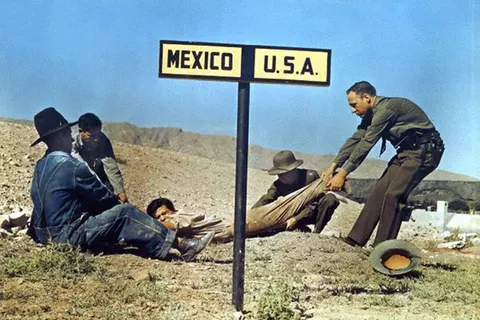
When investigating historical images, official government archives provide a reliable alternative to unverified online stories. The National Archives Still Picture Branch houses millions of analog and digital photographs in College Park, Maryland. Researchers can explore these vast holdings, which include military personnel and historical files, to verify visual claims. Utilizing these official primary sources provides a factual foundation that promotional stories often lack.
Independent Corroboration
A single photograph is rarely enough to verify a complex historical or personal claim. Researchers can seek independent corroboration by searching the National Archives Catalog for related records and photographic series. The archives offer diverse collections spanning various eras, such as the New Deal, World Wars, and the Civil War. Consulting multiple official record groups helps establish a clearer, more accurate historical context.
Publication Date and Original Caption
To understand a photograph's legal and historical context, it is helpful to determine its publication status. According to the U.S. Copyright Office, a photograph is considered published when copies are distributed to the public, or offered for further distribution or public display, for the first time. This publication status affects both the legal relief available for copyright infringement and the registration options. Comparing original publication dates and metadata with modern claims can help clarify when and how an image was first shared.

Photographer and Licensing
Knowing who captured an image provides vital clues about its origin. The U.S. Copyright Office explains that copyright in a photograph protects creative choices, such as subject positioning, camera angle, lighting, and timing. Generally, the person who takes the photograph is its author and initial copyright owner, unless it is a work made for hire. Verifying these ownership details and registered claims can help researchers trace the original creator of an image.
Crop and Edit History
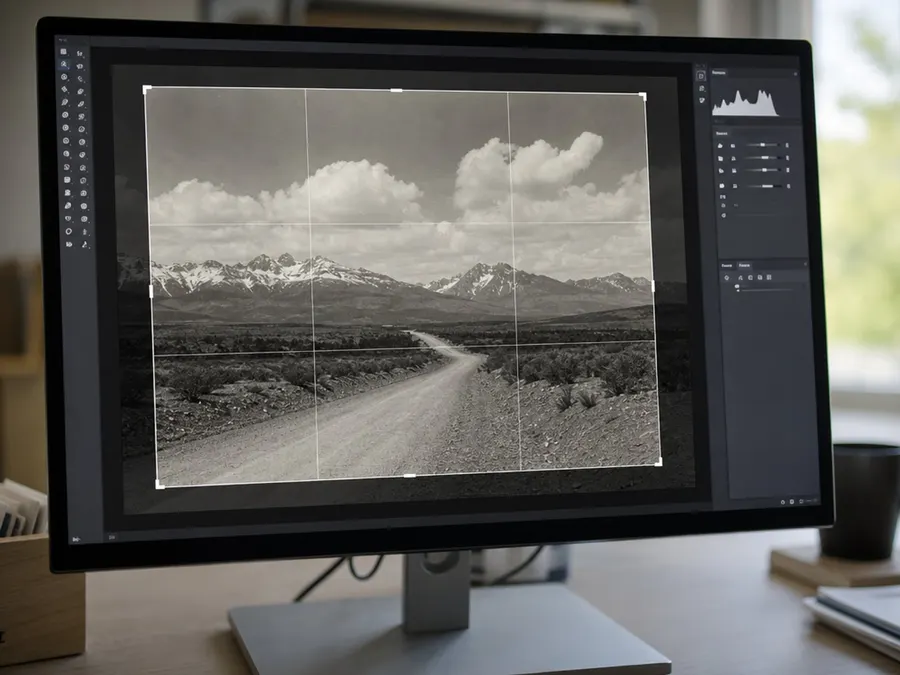
Some online stories use cropped or modified versions of photographs to emphasize a specific narrative. To verify the original composition, researchers can consult digital copies maintained in official archives. The National Archives Still Picture Branch, for instance, holds extensive collections of digital and analog photographs, as well as large-format panoramas and posters. Accessing the original, uncropped archival file can help determine if key visual details have been altered or omitted.
Content Credentials
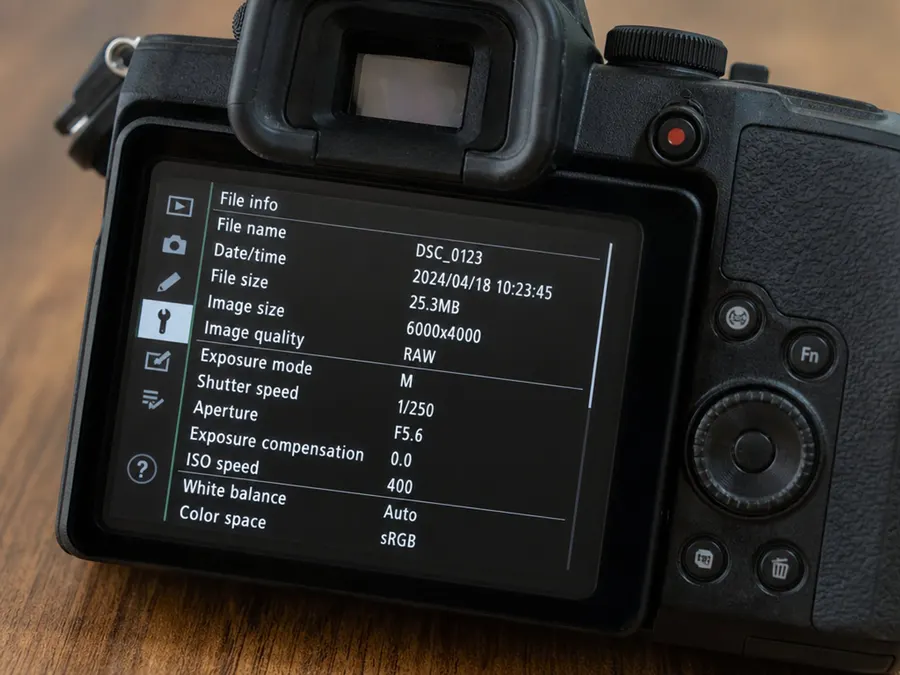
Digital files often contain metadata that provides important details about their history and formatting. Official repositories, such as the National Archives, utilize specific metadata guidance and file format tables to transfer and preserve permanent electronic records. Reviewing these technical details can help researchers understand the digital footprint of an archived image. Checking metadata guidelines helps ensure that files are properly documented and authenticated within historical collections.
Privacy and Ethics
When sharing or researching historical images, it is important to respect copyright, permissions, and privacy considerations. The National Archives provides specific guidance on copyright and permissions for using the photographs in its collections. Additionally, official agency websites maintain privacy policies to govern the use of personal data and public interactions. Researchers should review these guidelines to ensure that their use of historical images aligns with legal and ethical standards.
Avoid Unsupported Inferences
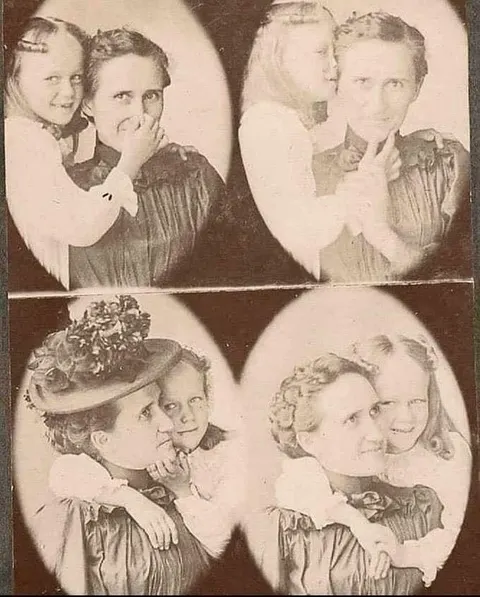
Researchers should avoid making sweeping assumptions about a family's history based solely on a single photograph. The U.S. Copyright Office notes that a photograph reflects specific creative choices, such as camera angle, lighting, and timing, rather than a complete factual record. Because a photo captures only a single artistic moment, it should not be treated as definitive proof of complex historical relationships or events. Instead, visual evidence should be evaluated alongside documented primary sources to avoid unsupported inferences.
Conflicting Evidence
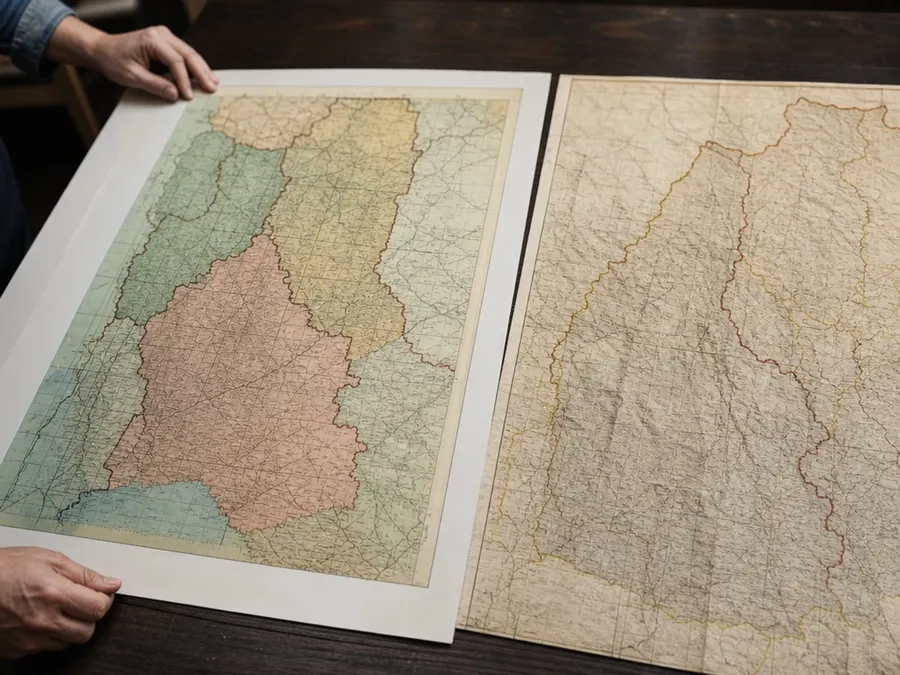
Thorough historical research involves comparing conflicting evidence when evaluating a visual story. The National Archives Catalog allows researchers to search for digitized copies and descriptions of images across various record groups. By comparing different archival collections, such as Coast Guard photographs or War Department records, researchers may find differing descriptions or historical contexts. Acknowledging these discrepancies helps build a more accurate and objective understanding of a photograph's history.
Unresolved Elements
Some elements of a historical photograph's narrative may remain unresolved due to a lack of definitive evidence. The National Archives Still Picture Branch houses millions of analog and digital images, but not every historical detail is fully documented. Researchers must recognize the limits of what a single image can prove and remain open to new findings. Embracing these limitations ensures that editorial stories about public records remain honest, factual, and grounded in verified sources.
Exact Identity and Scope
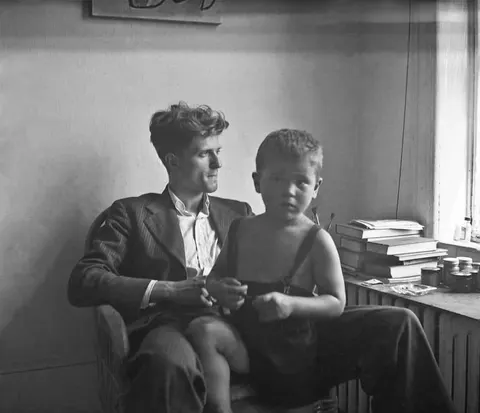
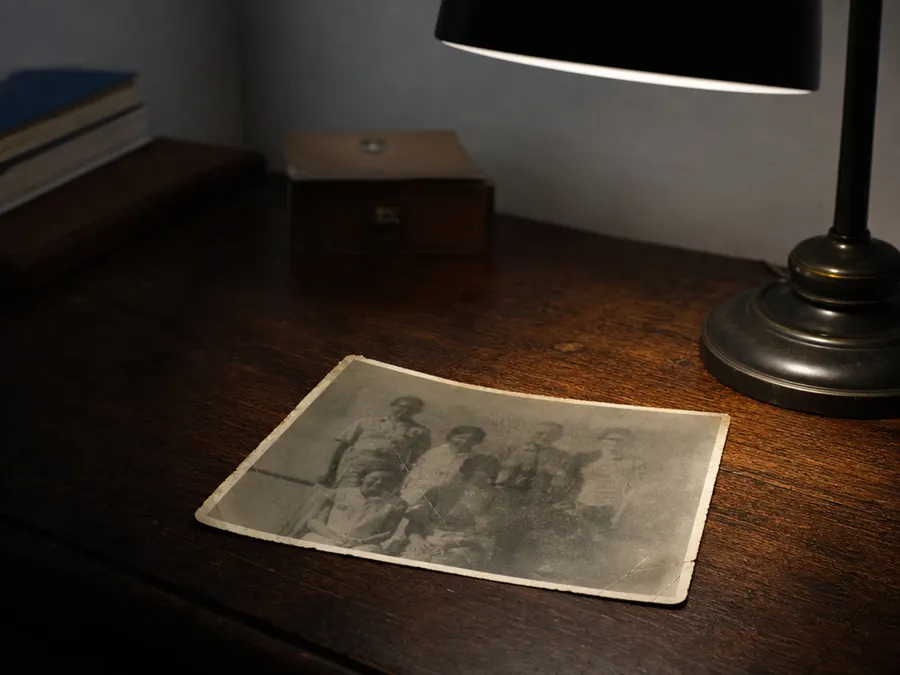
When researching historical photographs, verifying the identity of the subjects and the origin of the image is a key step. The National Archives Still Picture Branch maintains extensive collections of historical photographs and graphic works that can assist researchers. By searching official catalogs, researchers can compare public records against unverified claims. Confirming these details helps prevent mistaken identity and misinformation in visual narratives.
Featured galleries