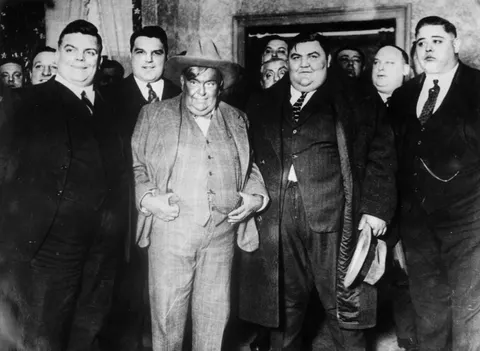
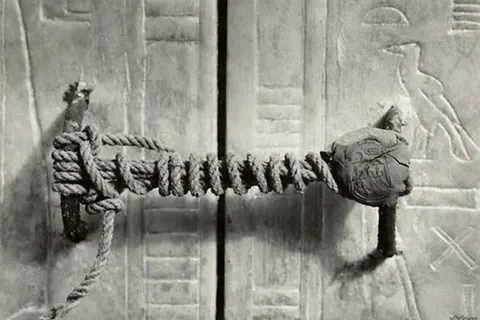
12 Checks for a Public-Record Visual Story

Determining the Current As-Of Date
Determining the timeline and creation date of an image is an important step in historical research. Researchers can look at the photographic medium, processes, or formats to help establish when a photo was taken. The National Archives, for instance, provides resources on different photographic processes and formats to assist in this analysis. How does the physical or digital format of an image align with its historical timeline?

Consulting First-Party and Official Records
To find reliable information, investigators can search official public records and archives instead of relying on unverified summaries. The National Archives Catalog allows researchers to search for descriptions and digitized copies of millions of historical images. These holdings include millions of analog and digital photographs, as well as specific personality indexes. What official databases might hold the primary documentation for a given subject?
Seeking Independent Corroboration
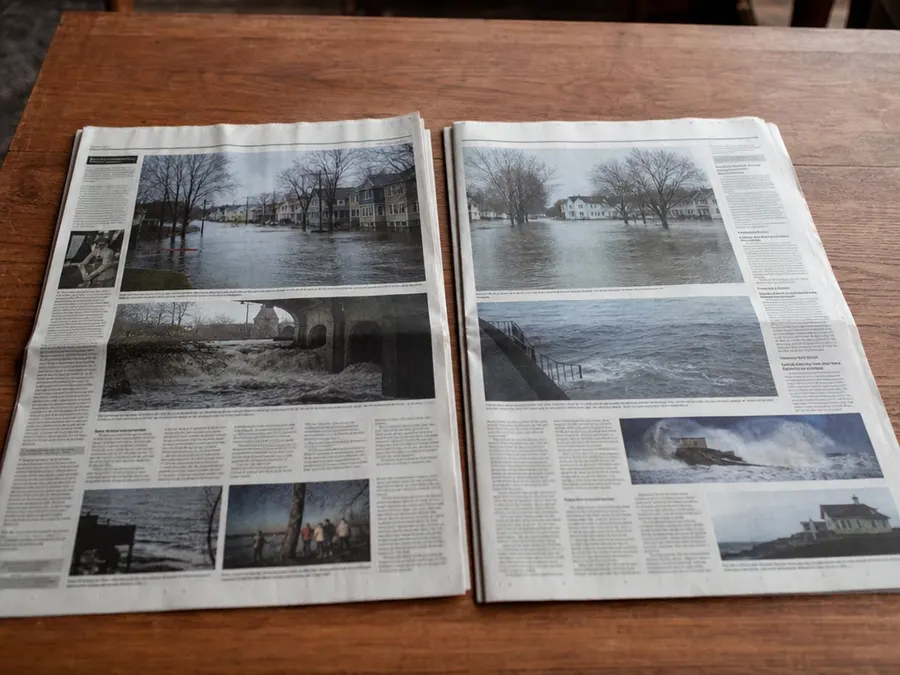
A single photograph or caption is often not enough to confirm a complex historical or personal narrative. Researchers are encouraged to seek independent corroboration across multiple official record groups and research facilities. For example, the National Archives maintains records across various locations, presidential libraries, and distinct subject areas. Do multiple independent historical sources confirm the details shown in a particular image?
Tracking Publication Date and Original Caption
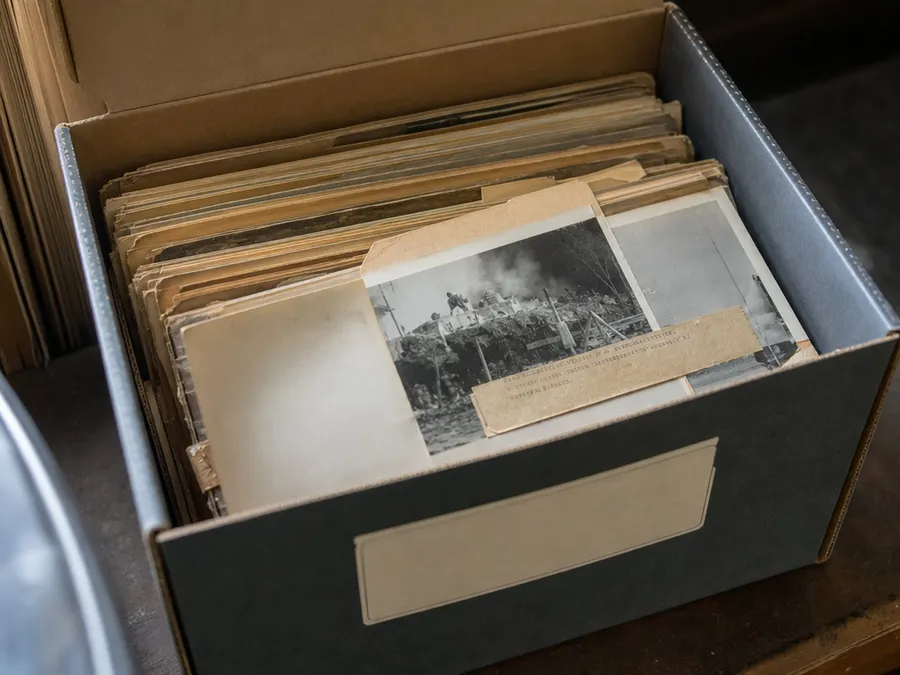
Understanding when a photograph was first published can help clarify its original context and legal status. According to the U.S. Copyright Office, a photograph is published when copies are distributed to the public for the first time. It is also considered published when copies are first offered to a group of persons for further distribution or public display. How does the original publication date of an image compare to the timeline presented in modern claims?
Identifying the Photographer and License
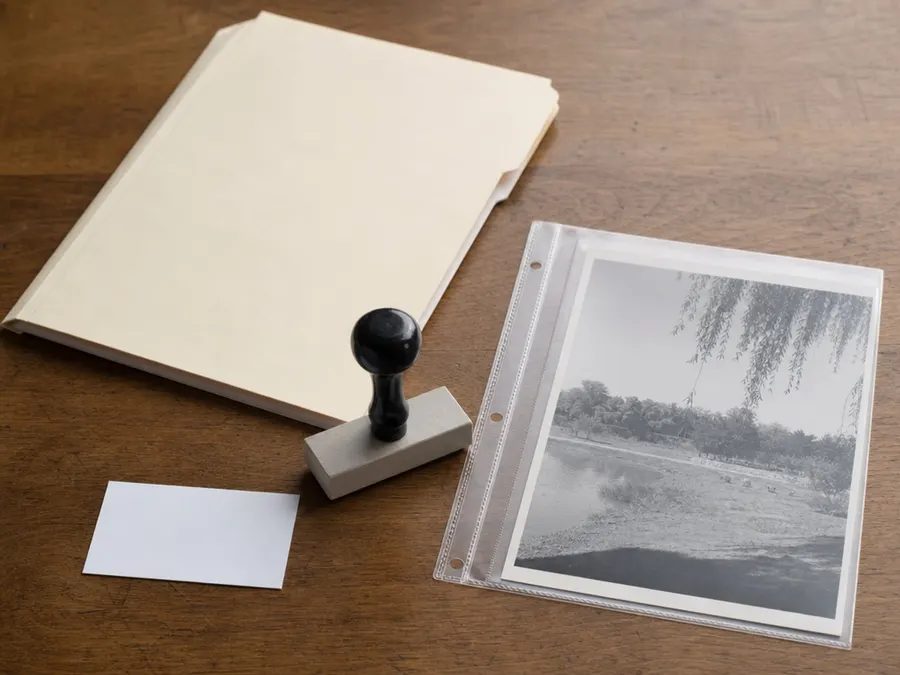
Identifying the creator of an image is an important step in establishing its origin and copyright status. Under U.S. copyright guidelines, the person who shoots or takes the photograph is generally considered its author and initial owner. A notable exception to this general rule exists for photographs created as works made for hire. What licensing terms or copyright permissions govern how a specific image can be distributed or reused?

Analyzing Crop and Edit History
Analyzing whether an image has been cropped or digitally edited is a key part of visual verification. When submitting photographs for copyright registration, acceptable digital formats include JPEG, GIF, or TIFF. Comparing a suspected image to an original high-quality digital copy in these formats can help identify edits. Has the framing been modified to exclude vital contextual clues that would alter the meaning of the image?
Verifying Content Credentials and Metadata
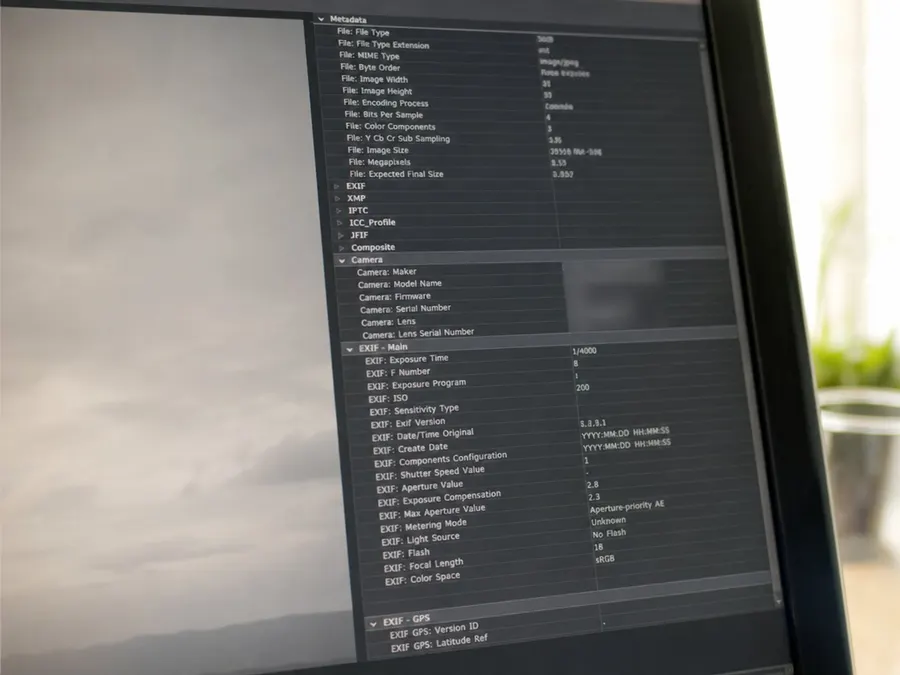
Digital files often contain metadata that can assist researchers in verifying their origin and creation history. For the transfer of permanent electronic records, federal guidelines emphasize the importance of standard metadata. Examining these embedded details can help determine if a digital image is authentic or has been modified. What metadata is associated with the file, and does it align with the documented history of the photograph?
Evaluating Privacy and Ethical Boundaries
When conducting public-record research, it is important to consider the copyright and ownership of photographs. Under U.S. copyright law, creative photographs are protected as visual art works, regardless of whether they have been registered. The Copyright Office provides specific procedures for registering both published and unpublished photographs to protect these creative works. What legal protections or copyright registrations restrict the unauthorized use and dissemination of personal photographs?

Avoiding Unsupported Inferences
To maintain research integrity, investigators should avoid making speculative assumptions based solely on visual cues in historical photographs. For instance, cataloged images of historical events or personalities should be evaluated alongside verified documentation. The National Archives provides extensive research guidance to help investigators interpret still pictures objectively. What factual records are needed to support an inference rather than relying on speculation?

Assessing Conflicting Evidence
When analyzing complex visual narratives, researchers frequently encounter conflicting records or divergent accounts. Documenting these discrepancies openly is a standard practice in archival research. Utilizing diverse collections, such as the various military and historical record groups at the National Archives, can help cross-reference conflicting details. How do the different official records compare when evaluating a disputed historical event?
Handling Corrections and Unresolved Elements
Responsible research practices require acknowledging when certain historical details remain unresolved. Many photographic collections contain images with incomplete descriptions or unidentified subjects. The National Archives Catalog allows researchers to search available descriptions, but some elements of a photograph's history may remain unconfirmed. What specific details of an image should be left unresolved when primary evidence is unavailable?
Verifying Exact Identity and Scope
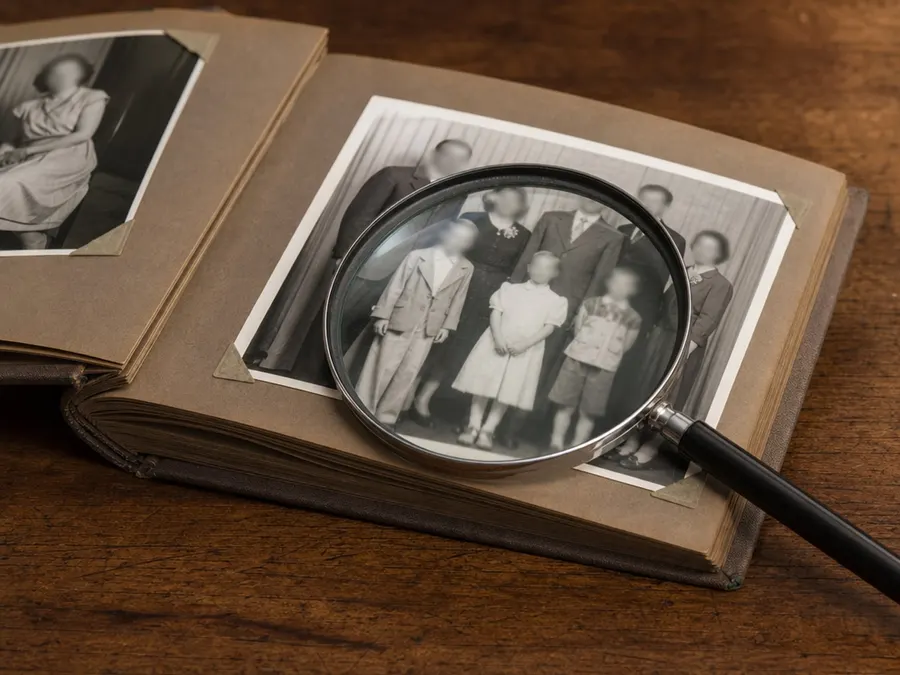
When analyzing historical images, researchers often seek to verify the identity of subjects and the scope of the recorded event. Identifying whether individuals in an image are public figures or private citizens can help clarify the original context. Consulting established archives, such as the National Archives, can assist in determining the background of these images. What steps can be taken to verify the original setting and subjects of a photograph?
Featured galleries