12 Checks for a Public-Record Visual Story
Confirming the Current Date
Establishing the exact dates associated with a photograph is a critical step in public record research. For copyright registration, the U.S. Copyright Office requires identifying the specific year of completion or publication dates. Similarly, public archives like the National Archives document when their resources were last reviewed or updated. Documenting these timelines ensures that historical records are represented accurately within their proper context.
Consulting First-Party Records
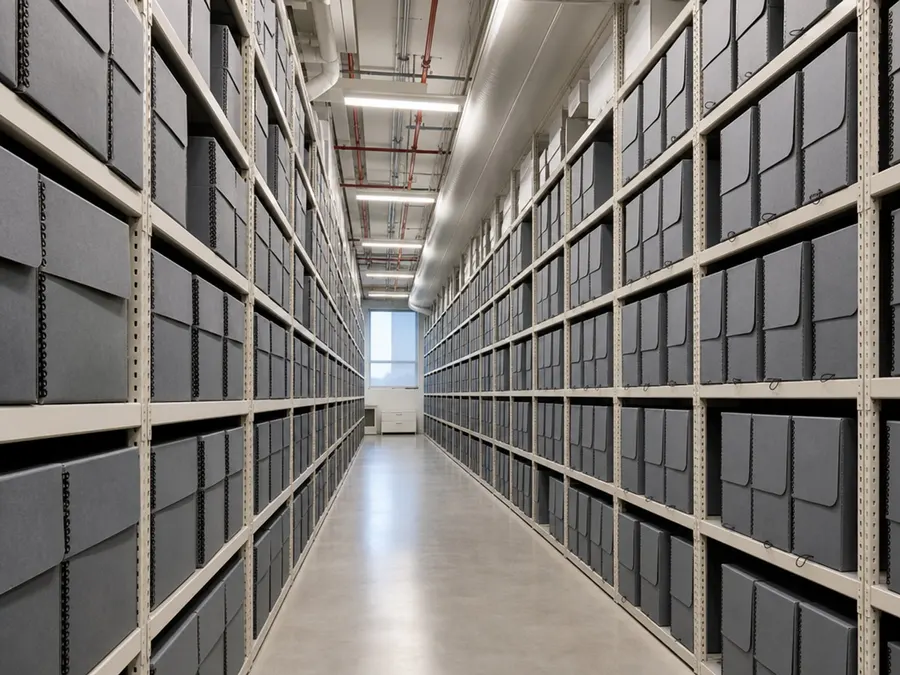
Official government archives provide invaluable resources for verifying historic visual records. The National Archives Still Picture Branch in College Park, Maryland, holds over 14 million analog photographs and 3 million digital photographs. Researchers can search the National Archives Catalog online to find descriptions and digitized copies of these historical images. These holdings span numerous record groups, including military, civil rights, and environmental collections.
Cross-Referencing the Facts
A single photograph or caption is often enhanced by cross-referencing multiple historical collections. The National Archives allows researchers to explore diverse record groups, such as Bureau of Public Roads files or War Department photographs. Additionally, comparing images with official copyright registrations can clarify authorship and creative choices. Combining these independent public records helps build a highly accurate, corroborated visual history.
Pinpointing the Publication Date
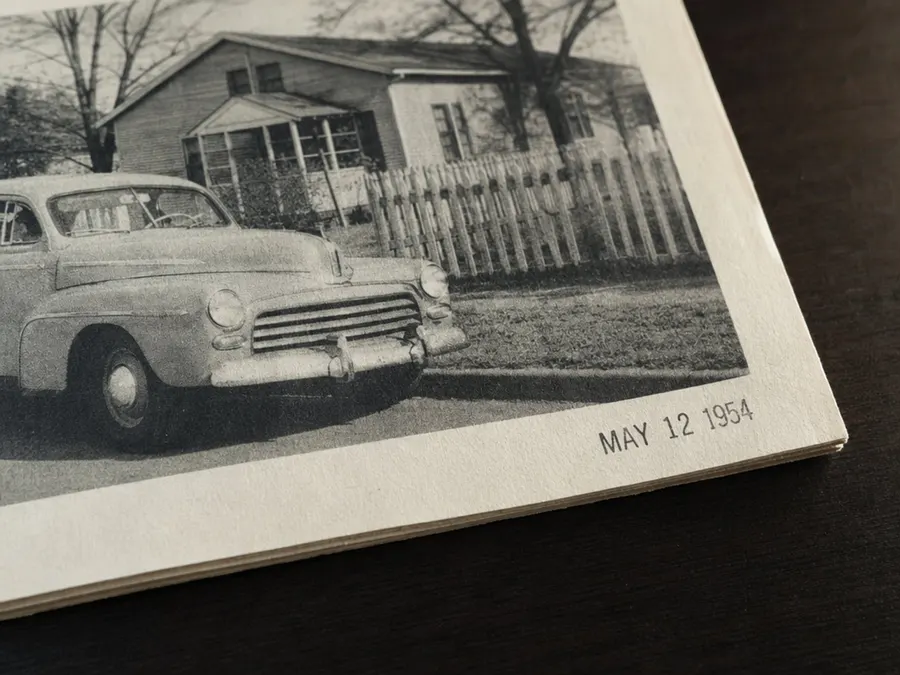
According to the U.S. Copyright Office, a photograph is published when copies are distributed to the public for the first time. Publication also occurs when copies are offered to a group for further distribution or public display, though public display alone does not constitute publication. Determining this precise date is critical because publication status affects registration options and available legal relief. Researchers must carefully distinguish between published and unpublished works when documenting an image's history.
Photographer and Licensing
The author and initial copyright owner of a photograph is generally the person who takes the picture, unless it is a work made for hire. Copyright protection covers the photographer's creative choices, including camera placement, angle, lighting, and timing. Verifying these ownership details is an important step in researching the origin of any visual record. For those seeking formal protection, the U.S. Copyright Office offers specific group registration options for multiple photographs.
Investigating Image Alterations
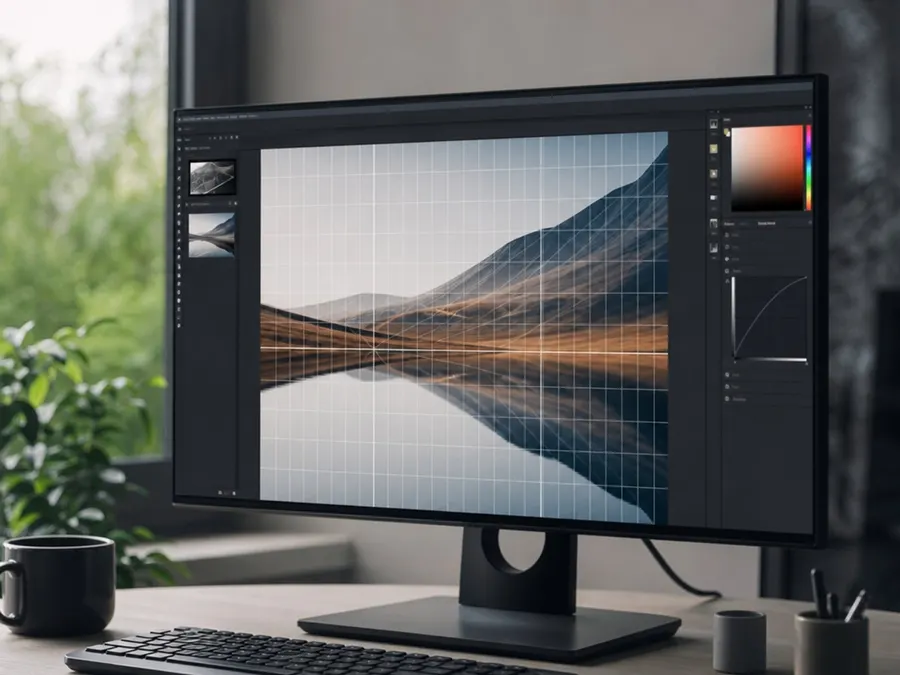
When evaluating visual records, researchers must consider the original formats and potential modifications of the images. The National Archives Still Picture Branch documents various historical photographic processes and formats. For digital files, the U.S. Copyright Office accepts formats such as JPEG, GIF, or TIFF, which can be compressed for submission. Understanding how these formats are managed helps researchers assess the technical characteristics of the visual evidence.
Verifying Digital Metadata
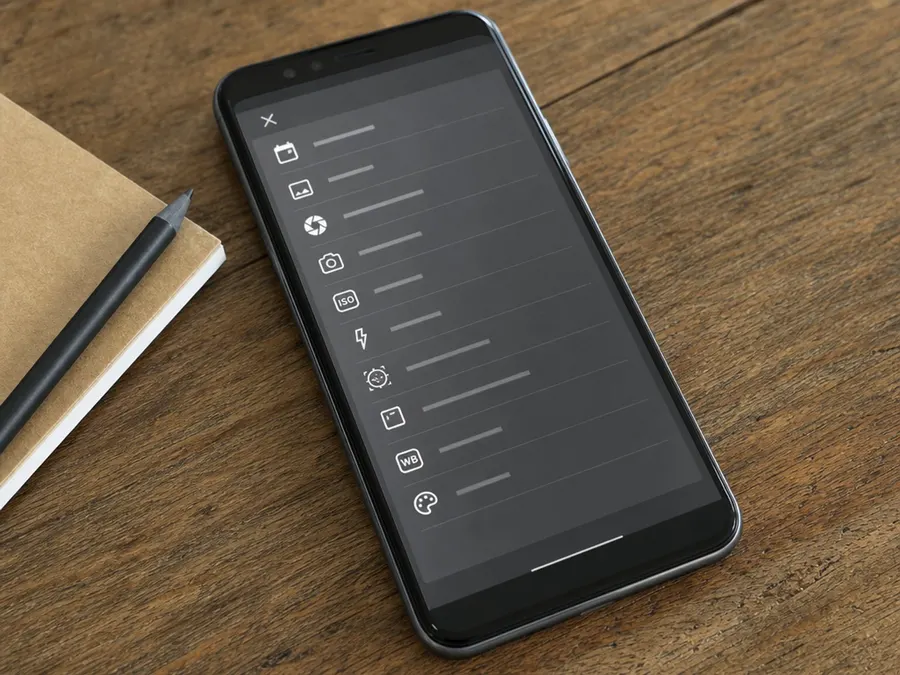
Digital photographs are accompanied by specific file details and administrative metadata. The U.S. Copyright Office requires applicants to submit a title list matching the file names of the digital photographs. In federal archives, agencies follow specific metadata guidance when transferring permanent electronic records. Reviewing these official file names, formats, and titles helps verify the documented identity of digital visual assets.
Navigating Privacy Concerns
Using photographs from public records requires a clear understanding of copyright and permissions. The National Archives provides specific guidance on copyright and permissions for its still picture holdings. Although many public records are accessible, the initial copyright owner generally controls how and when a work is published. Researchers must verify these legal rights before distributing or displaying images publicly.
Resisting Speculative Narratives
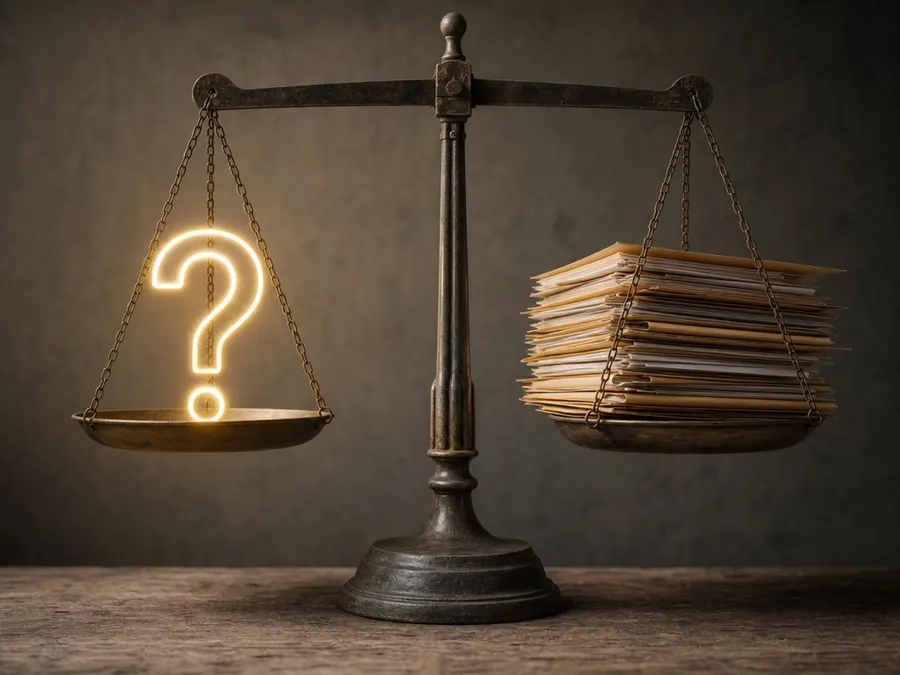
To avoid speculative narratives, researchers should rely strictly on verified archival metadata and official registrations. The U.S. Copyright Office will not register photographs that lack a sufficient amount of creative expression. Similarly, the National Archives categorizes images into specific, documented record groups based on government origin. Basing a visual story on these official records prevents researchers from making unsupported claims about an image's purpose.
Addressing Discrepancies Head-On
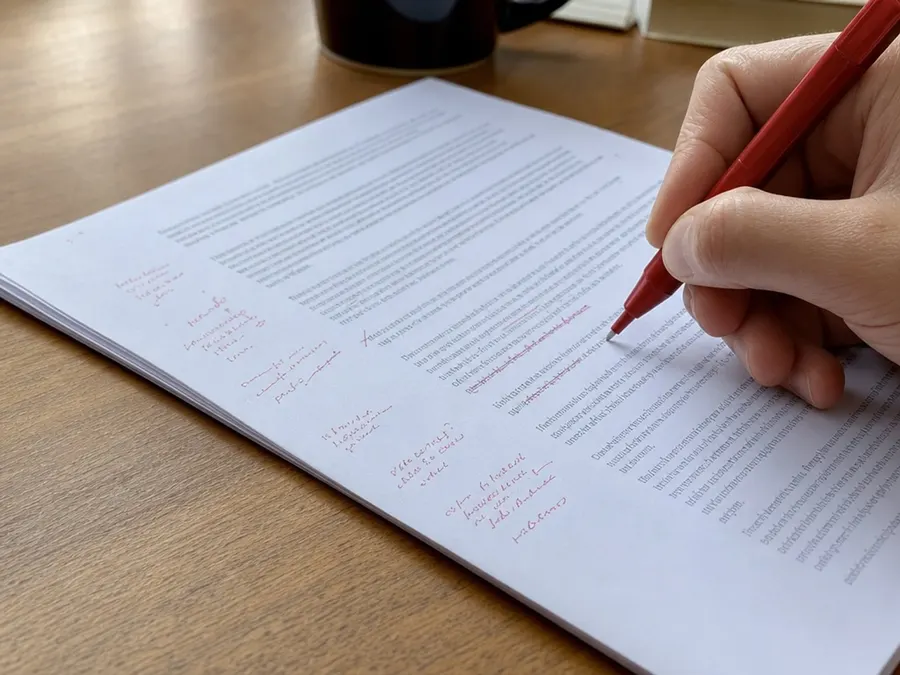
Discrepancies and errors in documentation must be addressed directly to maintain research integrity. The U.S. Copyright Office notes that mistakes in applications lead to registration delays, making accurate data entry essential. When historical records conflict, researchers should transparently present the differing official files. Relying on verified archival sources helps resolve discrepancies and ensures the accuracy of public visual stories.
What Must Remain Unresolved
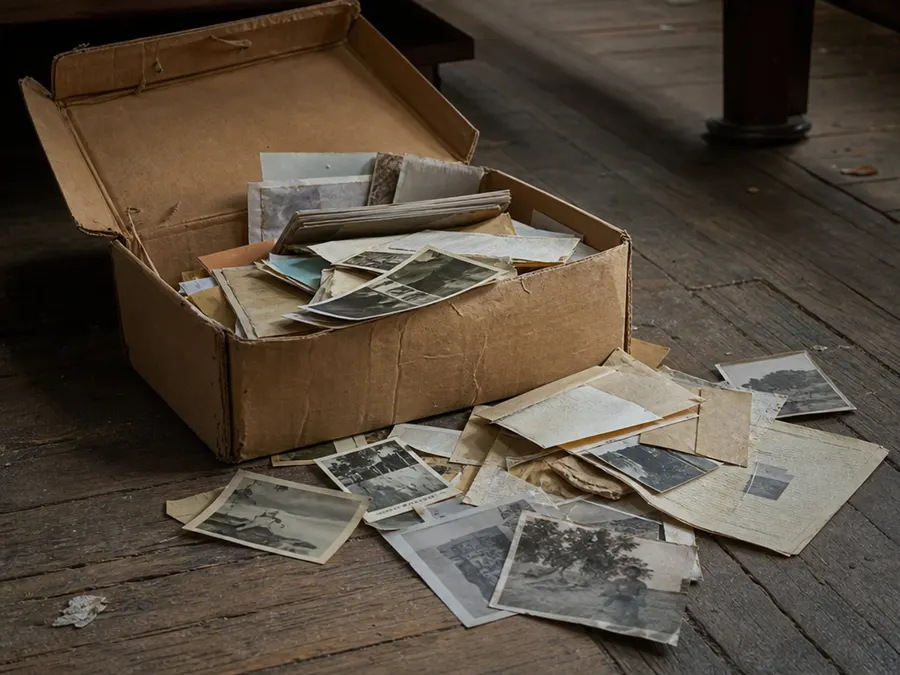
Some details of a historical photograph may remain unresolved even after extensive database searches. When online catalogs or registration records do not provide definitive answers, researchers can consult official specialists directly. The National Archives Still Picture Branch allows researchers to contact their College Park facility via email or scheduled appointments. Acknowledging the limits of available records encourages future researchers to explore these physical archives.
Verifying the True Identity
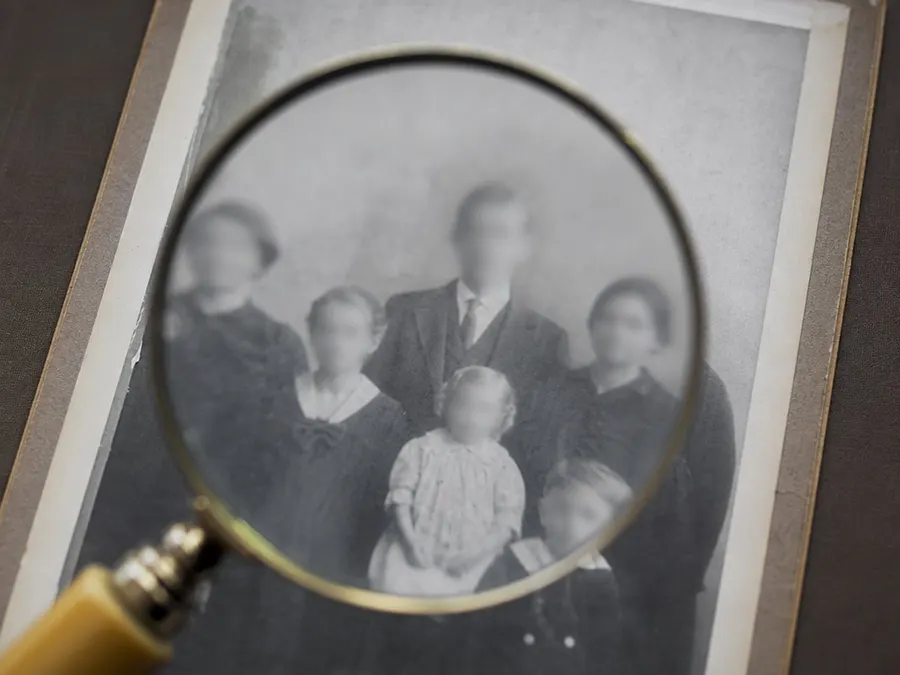
When analyzing a historical or public photograph, identifying the creator and the subjects depicted is a foundational step. The U.S. Copyright Office notes that the author of a photograph is generally the person who takes the picture. Researchers can search official databases, such as the National Archives Catalog, to find descriptions of digitized images. Establishing these facts helps prevent false narratives about the origin of an image from taking root.
Featured galleries