12 Checks Before Trusting an Unexpected Phone Call

Check 2: Evaluate the Sense of Urgency
Legitimate businesses will typically give you time to think an offer over and get written information before you commit. If a caller pressures you to make an immediate decision or demands instant payment, it is highly likely a scam. Take your time and refuse to get pressured on the spot.
Check 3: Watch Out for Specific Payment Requests
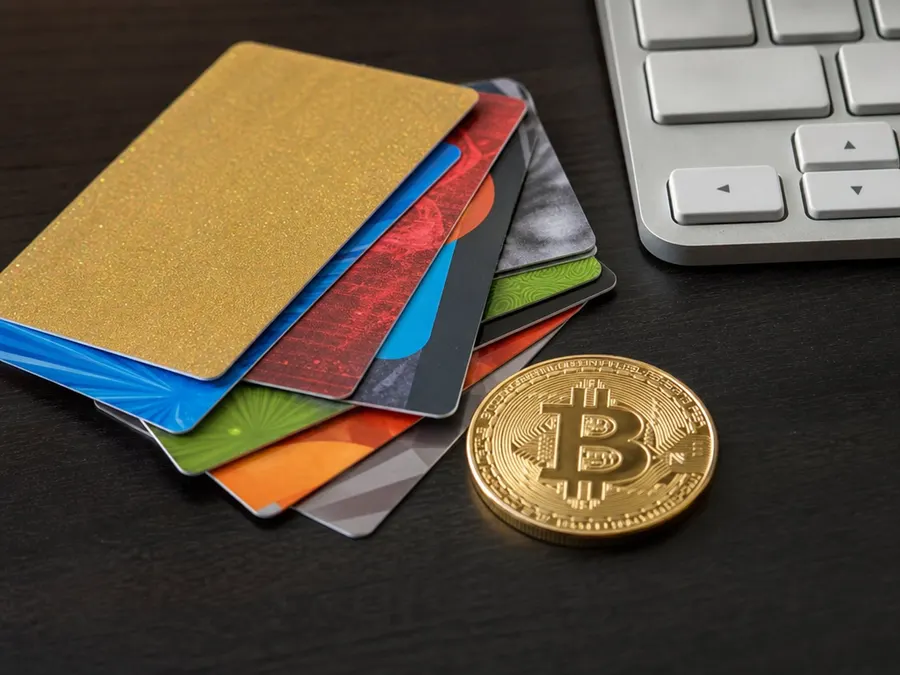
Be extremely cautious if a caller insists that you must pay using a specific method. Scammers frequently demand payment via wire transfers, gift cards, cryptocurrency, or mobile payment apps because these transactions are hard to reverse. Anyone who pressures you to use only these payment options is likely trying to steal your money.
Check 4: Find an Official Number Independently
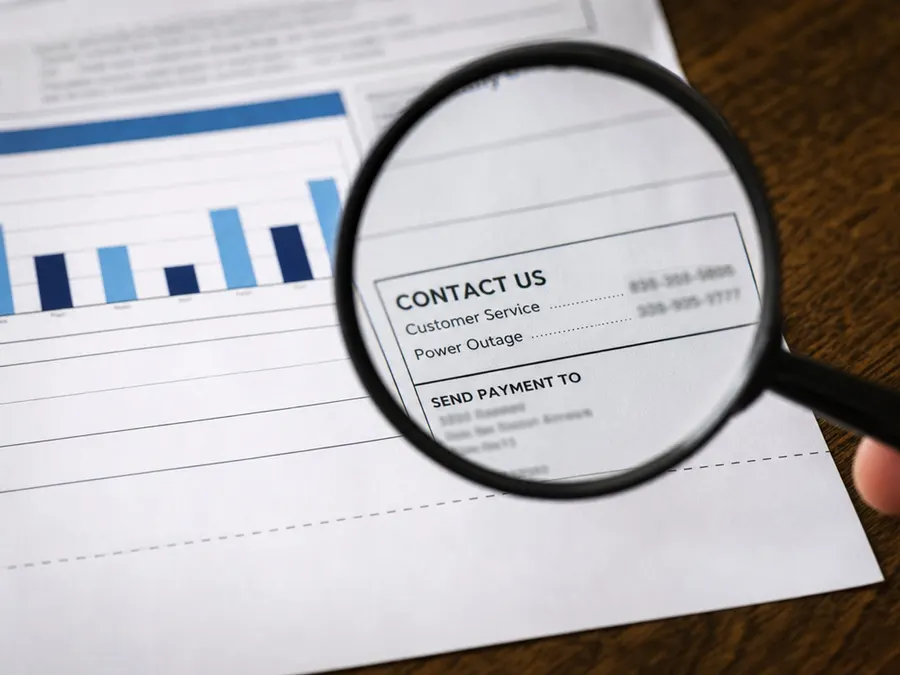
If you receive an unexpected call from someone claiming to represent a company or a government agency, hang up immediately. Do not use any phone numbers provided by the caller or displayed on your caller ID. Instead, look up the official phone number on your account statement, in the phone book, or on the organization's official website to verify the request.
Check 5: Let Unknown Calls Go to Voicemail
The FCC recommends not answering calls from unknown numbers and letting them go to voicemail. If you do use voicemail, ensure you set a secure password for the account. Some voicemail services default to allowing access without a password when calling from your own number, which scammers can exploit by spoofing your phone number.

Check 6: Protect Your Account Details
Never reveal sensitive personal information in response to unexpected calls, even if you are only slightly suspicious. This includes account numbers, Social Security numbers, mother's maiden names, and passwords. Legitimate government agencies will not call you out of the blue to ask you to confirm this sensitive information.

Check 7: Verify Family Emergencies Separately
Scammers sometimes impersonate family members, pretending there is a medical or legal emergency to trick you into sending money. Before reacting emotionally, hang up and contact your relative directly through a known, trusted number. You can also reach out to other family members to verify if the emergency is real before taking any action.

Check 8: Write Down the Call Details
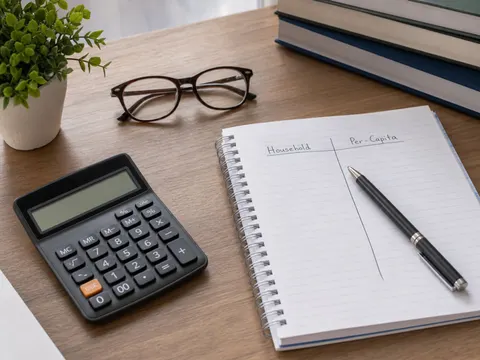
If you speak with a suspicious caller, write down the details of the interaction immediately. Note the exact date and time of the call, the phone number displayed on your caller ID, and any callback number they provided. Documenting this specific information helps law enforcement agencies track down the scammers behind the call when you report it.
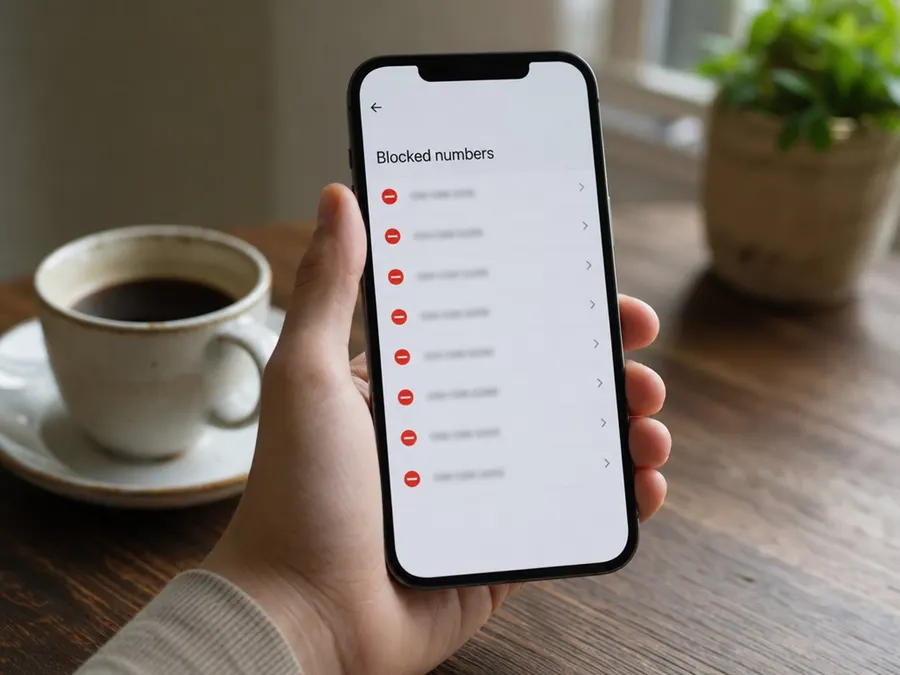
Check 9: Block and Label Repeat Numbers
Utilizing call-blocking and call-labeling technologies is an effective way to stop unwanted robocalls. Depending on whether you have a cell phone, traditional landline, or internet-based phone (VoIP), different blocking tools are available. You can contact your phone carrier to ask about their specific blocking services or search for highly rated call-blocking apps in your device's app store.
Check 10: Report Suspicious Calls
Reporting scam calls is crucial for helping federal agencies track down fraudulent operators. You can report phone scams directly to the FTC at ReportFraud.ftc.gov, or submit a report at DoNotCall.gov if you did not lose money. If you believe you have been targeted by a caller ID spoofing scam, you can also file a complaint online with the FCC.
Check 11: Contact Your Financial Providers Fast
If you realize you have already paid a scammer, act immediately to try to recover your money. Contact the financial institution, credit card issuer, payment app company, or wire transfer service that processed the transaction. Report the charge or transfer as fraudulent and ask them to reverse the transaction to return your funds.

Check 12: Preserve Evidence and Hang Up
If you answer a suspicious call, do not press any buttons to opt out or speak to an operator, as this often alerts scammers that your number is active. Avoid responding to any questions, especially those that can be answered with a simple 'Yes' or 'No'. Hanging up immediately is your most effective defense against further unwanted robocalls.
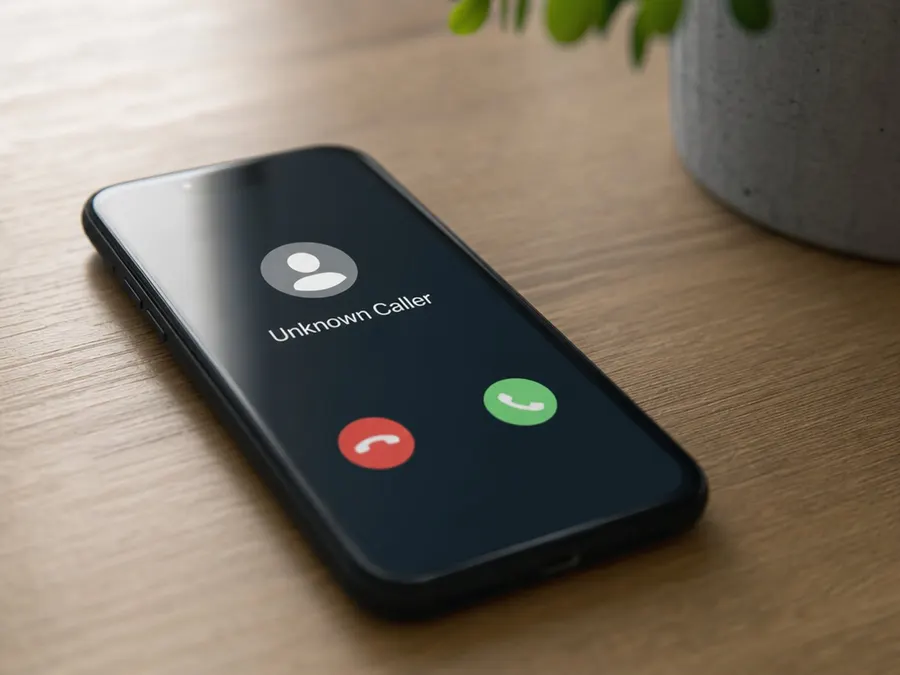
Check 1: Don't Trust Your Caller ID
Scammers often falsify the information displayed on your screen to disguise their identity, a tactic known as spoofing. This can make an incoming call look like it is coming from a local neighbor, a trusted business, or a government agency. Do not assume the name or number shown on your caller ID is accurate, as it can be easily faked from anywhere in the world.
Featured galleries