12 Checks Before Treating a DNA Result as Native Ancestry Proof
Statistical Estimates and Reference Populations
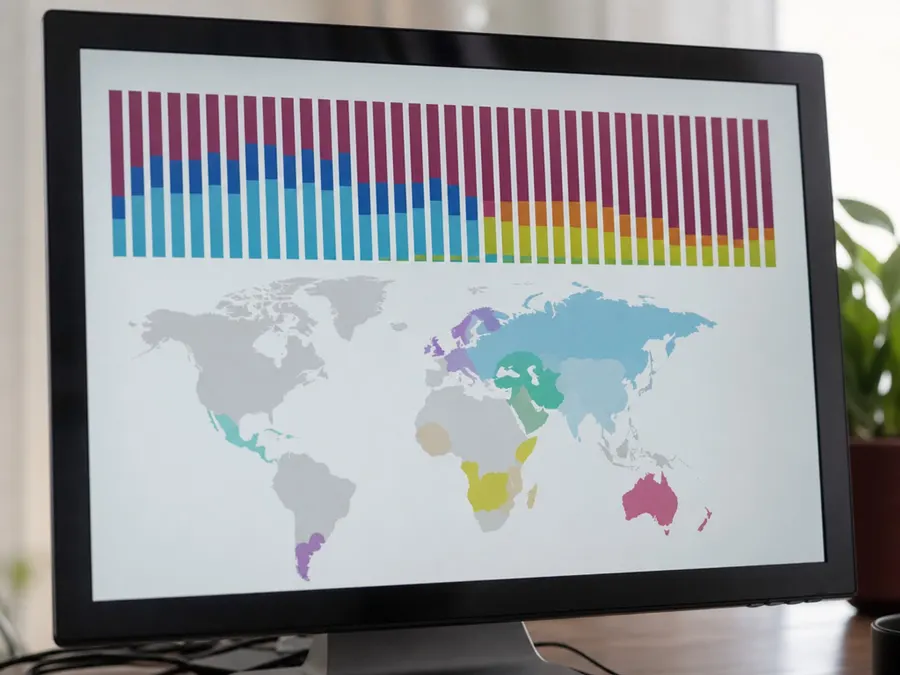
To estimate genetic ancestry, researchers compare an individual's DNA variants against the frequency of those variants in reference populations from around the world. This calculation is a statistical estimate based on available data and can vary from study to study. Furthermore, researchers have found that most genetic variation occurs within human groups rather than between them. How does your testing provider select and define the reference datasets used to calculate your results?

Shifting Datasets and Changing Results
Methods for estimating genetic ancestry are constantly evolving as new scientific discoveries are made. Because scientists use different reference datasets, ancestry estimations can vary from one analysis to another due to differences in the frequencies of genetic variants in those datasets. These shifting results reflect changes in statistical modeling and available reference groups rather than a change in your physical heritage. How frequently does your testing company update the reference datasets used for your analysis?

Starting with Family Records
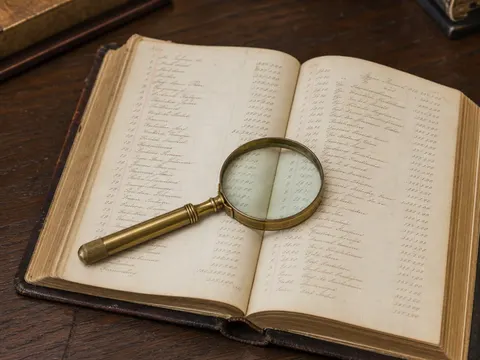
Tracing your family history should begin with yourself and the records you already have at home. Valuable clues can be found in personal items like letters, diaries, family bibles, newspaper clippings, and military records. Speaking with relatives and family members is also a highly useful way to gather information and answer questions. What historical documents can you find in your household to begin your genealogical research?
Identifying a Specific Tribe
Consumer DNA tests cannot help an individual document descent from a specific federally recognized tribe or tribal community. To determine eligibility for tribal membership, you must identify the specific tribe or tribes with which your ancestor was affiliated. Each tribe maintains its own unique enrollment criteria and records of past and present members. Which specific tribal nation or community are you seeking to research?

Understanding Tribal Sovereignty over Enrollment
Tribal enrollment is determined and set by individual tribes, not the Bureau of Indian Affairs. Because of this, uniform membership requirements do not exist, and criteria vary from tribe to tribe. Individual tribes maintain their own enrollment records and make all decisions regarding who is admitted to membership. Have you contacted the specific tribe's enrollment office to learn about their unique membership criteria?

Establishing Lineal Documentation
Applying for tribal enrollment typically requires demonstrating a direct line of descent from a lineal ancestor who was a member of a federally recognized tribe. This connection must be established through a direct line—such as a biological parent, grandparent, or great-grandparent—and cannot rely on aunts, uncles, or cousins. You must provide official documentation, such as vital statistics records, to prove your relationship to that ancestor. Do you have the birth and death certificates needed to document this direct biological lineage?
Vital Records and Official Rolls
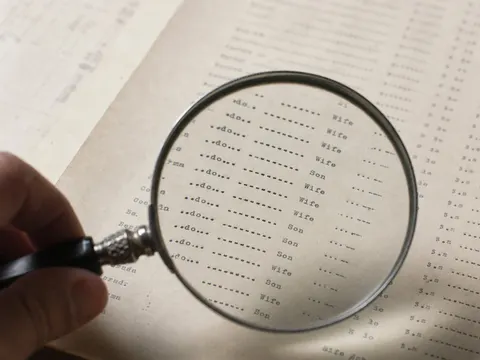
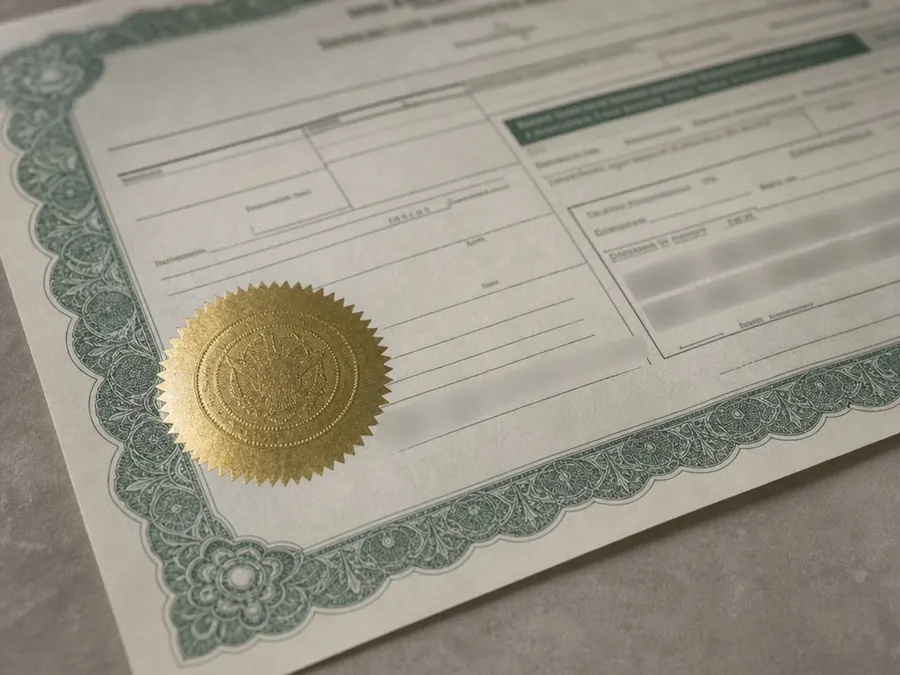
Biological relationships are established through birth or death certificates obtained from the vital records office in the state where the event occurred. Each state has its own rules, processes, and fees for requesting these vital statistics records. For certain tribes, such as the Five Civilized Tribes of Oklahoma, membership requires proving descent from an ancestor listed on official historical records like the Dawes Rolls. Have you researched the specific vital records rules and fees for the states where your ancestors lived?

When Tribes Consider Relationship Testing
Blood and DNA tests cannot document an individual's descent from a specific federally recognized tribe. However, if a tribe accepts them, these tests may have value in establishing whether an individual is biologically related to an existing tribal member. You must check directly with the specific tribe you wish to enroll in to see if they accept blood or DNA testing as part of their application process. Does the tribe you are researching accept biological testing to help verify a relationship to an enrolled member?

Privacy and Family Implications
The use of population descriptors in genetics has significant ethical, legal, and social implications. Regardless of what a genetic ancestry test shows, individuals choose how they want to be identified by others. These personal identity choices are often informed by DNA, social factors, personal or family preferences, and lived experiences. How do you plan to weigh genetic ancestry estimates alongside your personal and family preferences?

Avoiding Broad Identity Conclusions
Genetic ancestry refers to biological relationships from inherited DNA, whereas ethnicity refers to shared language, religion, customs, beliefs, and history. Unlike genetic ancestry, ethnicity is not a biological characteristic, and race is a social concept created to group people based on physical appearance and cultural backgrounds. Tribal membership conveys specific political rights and privileges, such as voting in tribal elections, participating in tribal assets, and receiving tribal services. How can you distinguish between statistical biological data and the cultural or political aspects of community identity?

Contacting Tribal Offices and Preserving Evidence
Once you identify a federally recognized tribe your ancestor may have been affiliated with, you should contact that tribe's enrollment office directly. The Tribal Leaders' Directory can assist you in finding contact information for the appropriate tribal government. When applying for enrollment, you will work directly with that tribal government and provide the specific documentation they require. Have you used the Tribal Leaders' Directory to find the correct contact details for your research?
Genetic vs. Genealogical Ancestry
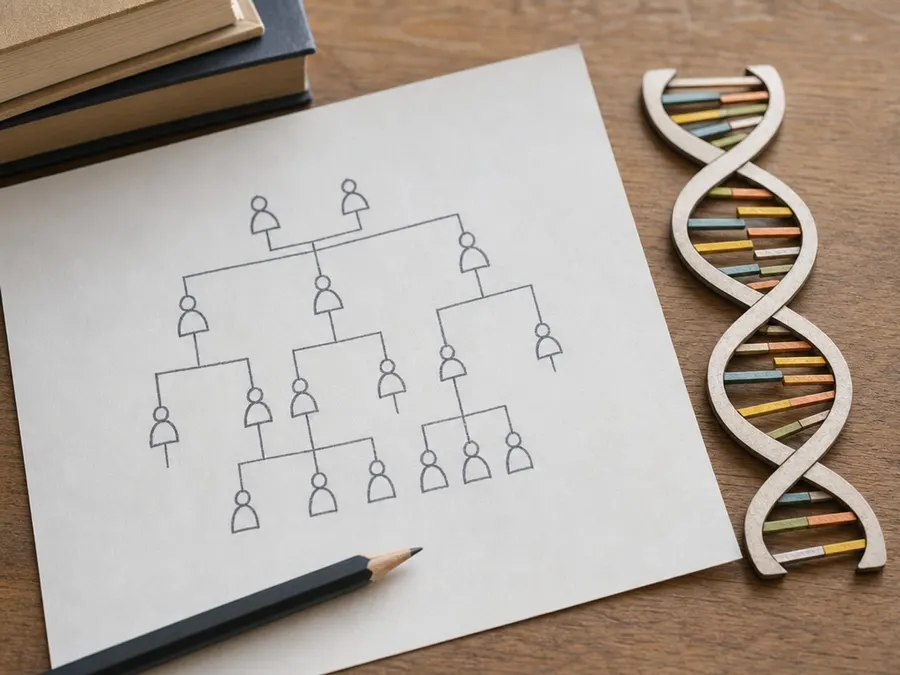
Genetic ancestry refers to the biological relationships resulting from DNA inherited from common ancestors linked to geographic origins from centuries ago. Because parents do not pass down all of their DNA to their offspring, genealogical ancestry and genetic ancestry can differ. This means an individual's genealogical tree may include ancestors who did not pass down any of their genetic markers. How does your known family tree compare to your genetic ancestry estimates?
Featured galleries