12 Checks Before Reporting That Looted Artifacts Were Recovered

Verify the Reporting Agency
Identify which specific official body is providing the information on a recovery. For the international database, only authorized entities like INTERPOL National Central Bureaus, UNESCO, ICOM, and ICCROM can insert certified data. Verifying the source of the data ensures that the information is officially recognized.
Track Timelines and Case Dates
Keep a careful record of the dates when databases are searched during an investigation. According to INTERPOL's ID-Art terms, search results can change over time, meaning a negative search result may become positive at a later date. Documenting these search dates helps establish a clear timeline of when an object's status was verified.
Distinguish Stolen vs. Missing
Distinguish whether an object is classified as stolen or missing when reporting on cultural property. INTERPOL's international database tracks both categories using certified police information. Verifying how an item is registered helps maintain precision in reporting.

Check Provenance and Export Records
Understand the due diligence standards associated with cultural property transactions. The 1995 UNIDROIT Convention on Stolen or Illegally Exported Cultural Objects outlines due diligence steps for acquiring art. Checking databases is a helpful contribution, but it is not always sufficient to fulfill all legal due diligence requirements under the Convention or national laws.
Understand Database Scopes
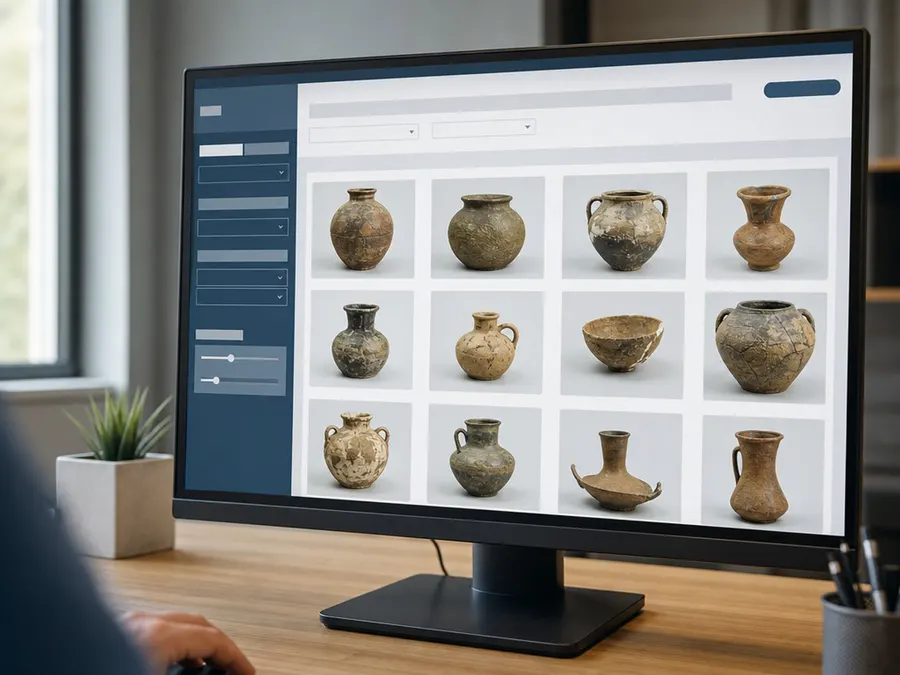
When citing the international database for stolen art, represent its scope accurately. The main database combines descriptions and pictures of almost 57,000 items. Relying on this database is crucial, but it contains only fully identifiable objects that have been officially reported.

Validate Authorized Data Sources
Ensure that any database information originates from a validated, authorized source. Under strict processing rules, only authorized entities like National Central Bureaus and specific international partner organizations can provide data for the database. This ensures that the records consist of certified police information.
Acknowledge Search Limitations
Understand that a positive database search is only a potential match and does not confirm that an item is stolen. Similarly, a negative search result does not prove that an item has not been stolen, as it may not have been reported or entered yet. Reporters must treat these database results as preliminary indicators that require follow-up verification.
Differentiate Seizure from Restitution
Avoid assuming a positive match immediately translates to a confirmed theft or legal repatriation. A positive search result is an indication that follow-up action should be taken with competent national law enforcement or INTERPOL. Because INTERPOL does not carry out investigations on its own, local or national police authorities must handle the actual verification and recovery processes.

Confirm Jurisdictional Status
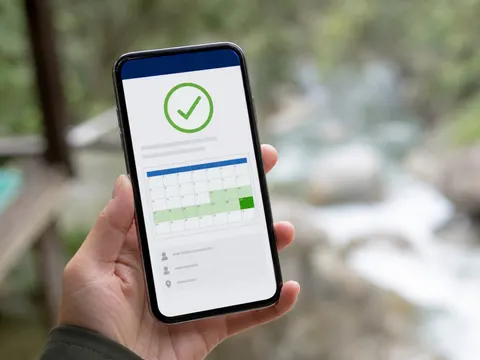
Be aware of how owners document and report cultural property. The ID-Art application provides standardized inventory forms, such as Object ID forms and Site Cards, to record descriptions and locations of art objects and sites. These forms are stored locally on mobile devices and are designed to facilitate reporting to law enforcement in the event of theft or looting.
Assess Archaeological Context
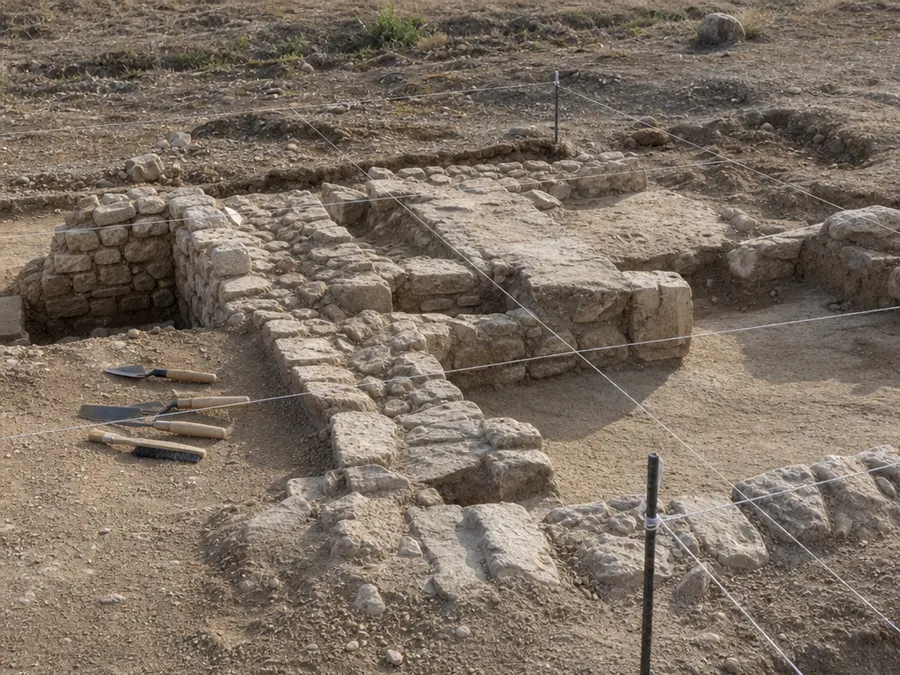
Recognize that looted artifacts from undocumented excavations are often missing from databases. If an object is looted from an archaeological site and is not known to the police, it will not appear in a search of stolen cultural property. Consequently, a negative search result cannot be used to prove that an artifact has a legitimate origin.
Corroborate and Verify Image Rights
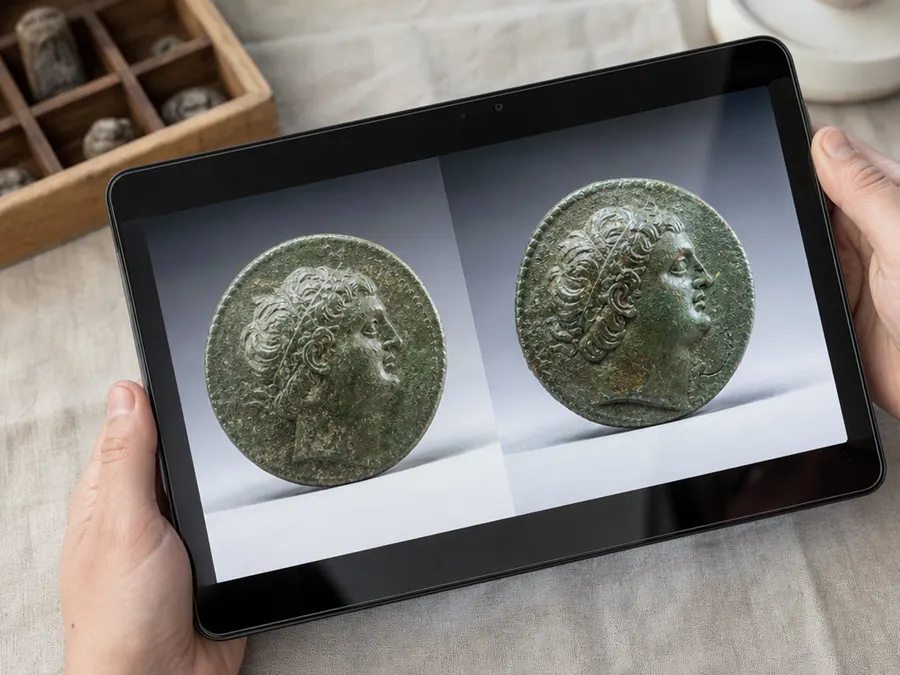
When reporting information about a stolen work of art, verify that the details are factual and accurate. INTERPOL's reporting feature allows users to submit information directly to the General Secretariat using a standardized template. However, users are reminded that intentional submission of false reports or malicious use of this function can result in appropriate administrative measures.
Confirm Precise Object Descriptions
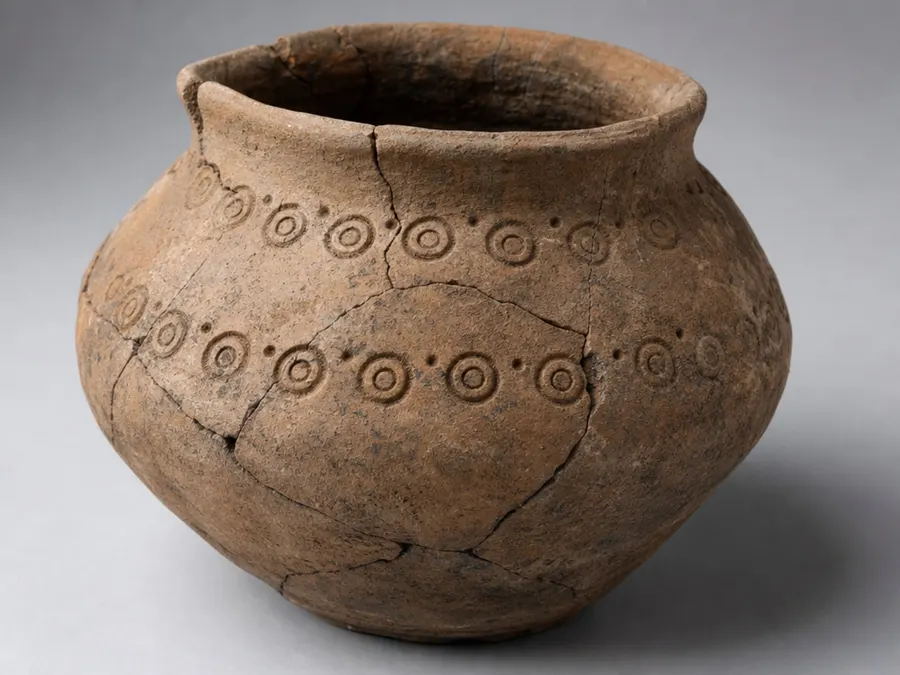
Before writing about recovered art, verify the physical descriptions of the items. INTERPOL's Stolen Works of Art Database only enters fully identifiable objects to ensure data integrity. Checking these certified descriptions can help confirm whether a recovered object matches an official record.
Featured galleries