12 Browser Game Styles and What Makes Each Work

Interactive Fiction and Text RPGs
Interactive fiction games use narrative choices and text structures to build deep, branching story worlds. Because they rely primarily on text and basic web elements, they are highly compatible with open web technologies. Developers can leverage standard web APIs and JavaScript to manage player choices and state transitions. MDN offers guides on how web standards serve as effective tools for creating and publishing these multiplatform games.

Grid-Based Puzzle and Match Games
Grid-based puzzle games require players to align or swap symbols to clear a game board. These titles are well-suited for web browsers, drawing on standard APIs to handle rendering and user input. MDN provides reference sections and technique guides covering the common APIs used in modern web game development. Using these open standards allows developers to easily publish their puzzles across multiple desktop and mobile platforms.

Management and Simulation Styles
Management simulations challenge players to build environments and optimize complex systems over time. Building these games for the web is highly viable because modern browsers support sophisticated logic and rendering. Developers can utilize standard web technologies to design custom interfaces and save player progress. This open approach allows creators to manage their own monetization and promotional strategies directly on the web.

Action Platformers and Endless Runners
Action platformers require precise timing and rapid keyboard inputs to navigate moving screens. To ensure smooth performance, developers must optimize the game's main loop to handle physics and input registration. MDN offers technical guides on the anatomy of a video game, explaining how JavaScript and web standards manage these loops. These resources help developers minimize input lag and deliver high-quality action directly in the browser.
Turn-Based Strategy and Card Battlers
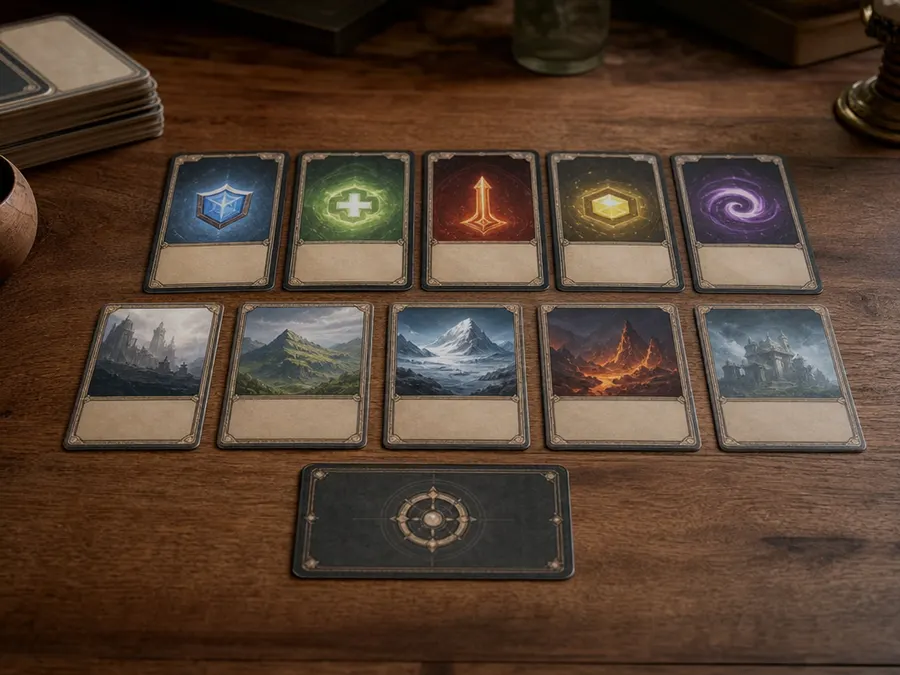
Turn-based games focus on tactical planning, giving players ample time to make decisions between moves. Web developers can use standard HTML, CSS, and JavaScript to build clean interfaces and robust game logic. MDN provides a curated starting point for new developers, including links to tutorials and programming patterns. These open-source resources help creators build balanced gameplay systems that run on any modern browser.

Multiplayer Arena and IO Games
Multiplayer arena games feature dynamic, real-time environments where players compete in browser-based matches. Developing these fast-paced games is supported by modern web APIs that handle real-time communication and rendering. MDN offers comprehensive resources and tools to help developers implement these complex multiplayer features. By using the open web, creators can distribute their multiplayer games globally without relying on a single corporate storefront.

Rhythm and Music-Based Games
Rhythm games require players to press keys in perfect synchronization with scrolling visual cues and audio. To achieve this precision, developers must carefully synchronize audio playback with the game's rendering loop. MDN provides reference materials on common web APIs and essential techniques for managing high-performance web applications. These resources assist developers in building accurate calibration tools to handle varying hardware latency.

Physics-Based Sandbox Games
Physics-based sandboxes let players manipulate gravity and structural elements in real time. Creating these interactive environments relies on robust JavaScript engines and browser performance. MDN's game development center offers guides, frameworks, and debugging tools to help developers optimize complex physics calculations. This ensures that sandbox simulations run smoothly across different devices and browsers without crashing.

Tower Defense Strategy
Tower defense games require players to place defensive structures to stop automated enemy waves. Managing the pathfinding and scaling difficulty of these waves relies on efficient programming patterns. MDN links to external resources like Game Programming Patterns to help developers write clean and efficient game code. These techniques allow developers to build complex strategy games that remain responsive during intense action.

Social Deduction and Trivia
Social deduction and trivia games focus on communication, requiring players to interact via text or voice. Web technologies make it easy to integrate chat interfaces and real-time state synchronization directly into the browser. MDN provides resources on core web APIs and development tools to help creators build these interactive features. This multiplatform flexibility allows groups of players to join sessions from almost any device.

Retro Arcade Demakes
Retro arcade demakes recreate the charming aesthetic and tight gameplay limitations of classic hardware. Developers can easily build these lightweight games using open web standards like HTML and JavaScript. In fact, coding competitions like js13kGames challenge developers to build complete HTML games within a strict 13-kilobyte file limit. MDN highlights these community events and provides tutorials to help developers get started with retro-style projects.

Incremental and Idle Games
These passive progression games often run in the background, allowing players to accumulate resources over time. When developing these experiences on the web, creators rely on core web technologies like HTML, CSS, and JavaScript. MDN provides tutorials and resources to help developers understand how to implement the main game loop required for these designs. This open platform gives developers the freedom to distribute and monetize their work without being locked into a single app store.
Featured galleries