12 Australian Animals with Remarkable Adaptations
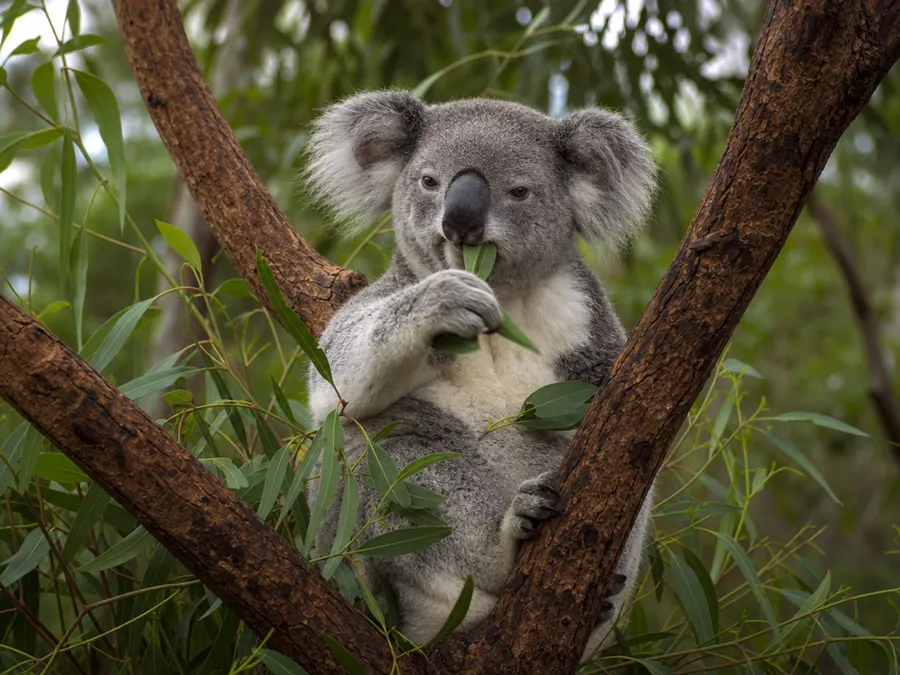
Koala
Koalas survive almost exclusively on fibrous eucalyptus leaves, which are toxic and nutrient-poor to most other mammals. To digest this diet, they possess an exceptionally long cecum containing specialized bacteria that break down the harsh fibers. A low metabolic rate allows them to conserve energy by sleeping up to twenty hours daily.
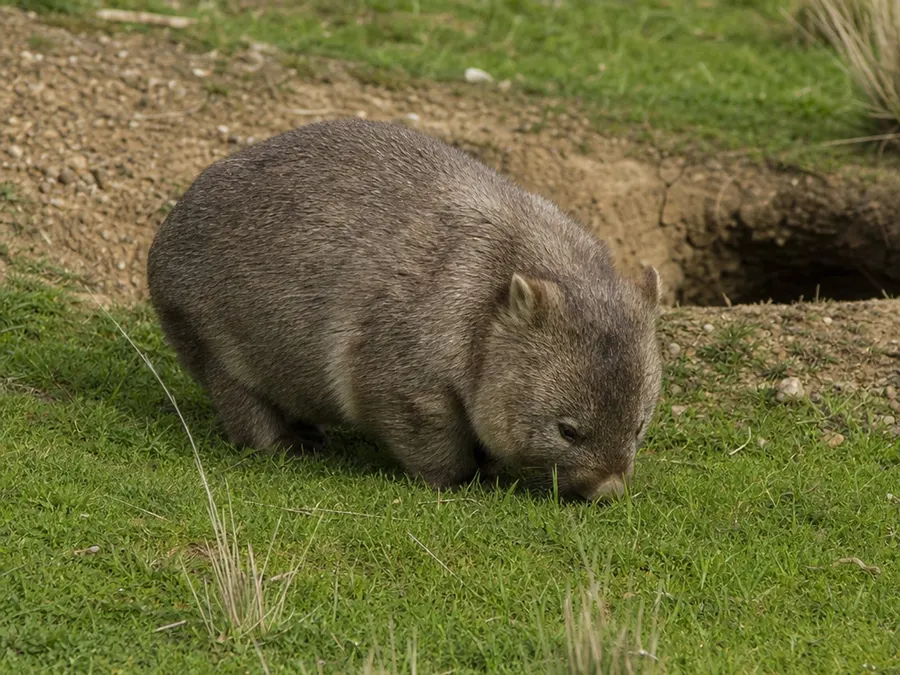
Common Wombat
Built for an underground lifestyle, the common wombat features a backward-facing pouch. This adaptation prevents dirt from entering and covering its young while the mother digs extensive burrows. Their sturdy, cartilage-plated rumps also serve as a defense mechanism, blocking the entrance of their tunnels against potential predators.
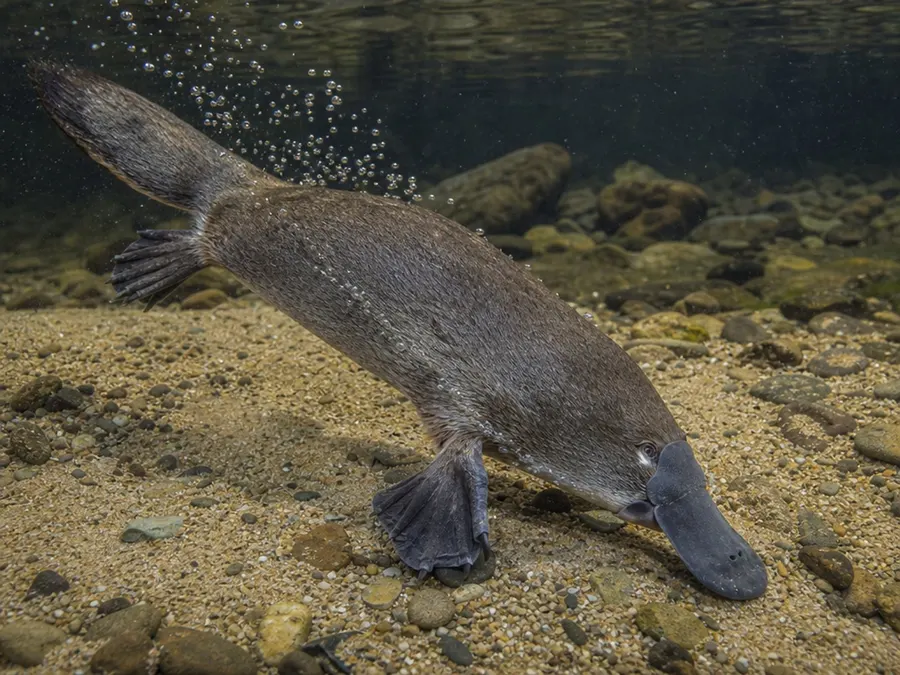
Platypus
The semi-aquatic platypus is one of the world's few egg-laying mammals. To hunt in murky freshwater rivers, it relies on electroreception. Thousands of sensitive receptors located on its pliable, leathery bill detect the tiny electrical currents generated by the muscle movements of underwater prey, allowing it to hunt without sight or hearing.
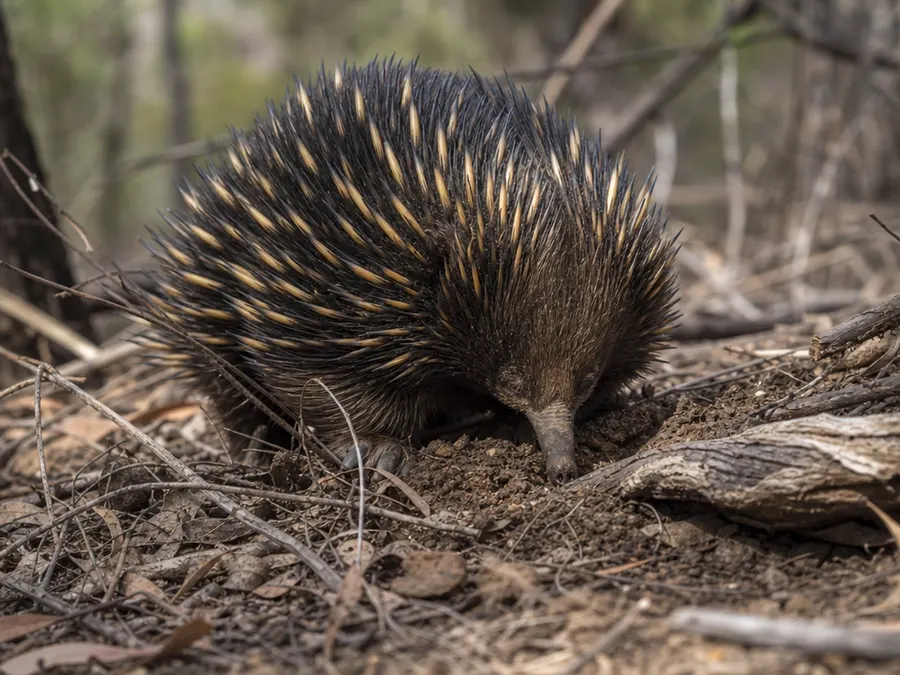
Short-Beaked Echidna
Covered in sharp spines made of keratin, the short-beaked echidna is another unique egg-laying mammal. When threatened, it quickly digs straight down into the soil, leaving only its protective spikes exposed. It uses a long, sticky tongue to rapidly extract ants and termites from deep within nests and rotting logs.
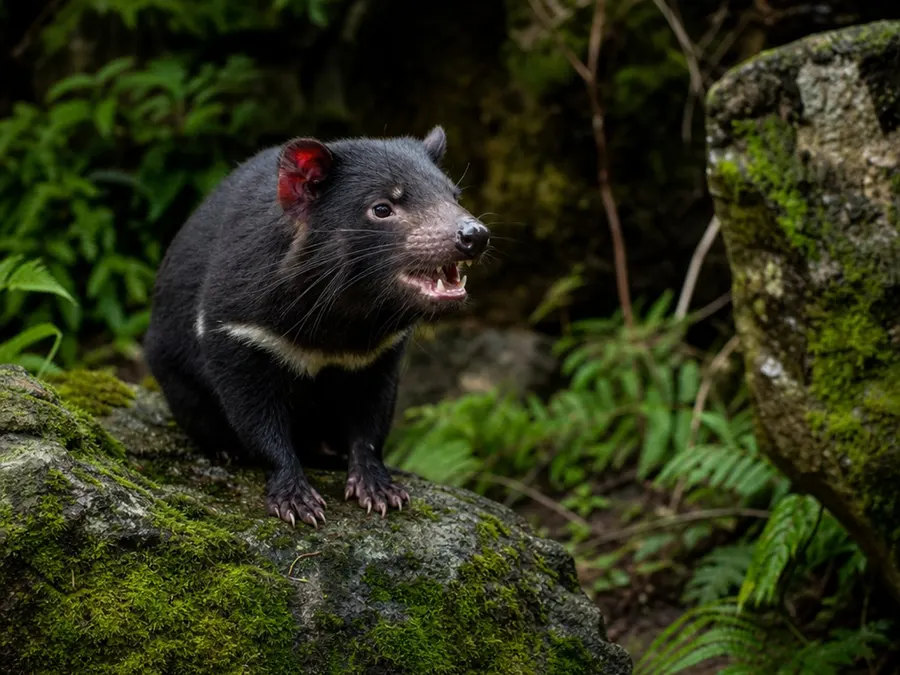
Tasmanian Devil
As the world's largest surviving carnivorous marsupial, the Tasmanian devil relies on powerful jaws and robust teeth. This adaptation allows them to consume entire carcasses, including bones and fur, which prevents waste. Their dark fur provides excellent camouflage during nocturnal hunting and scavenging trips across Tasmanian forests.
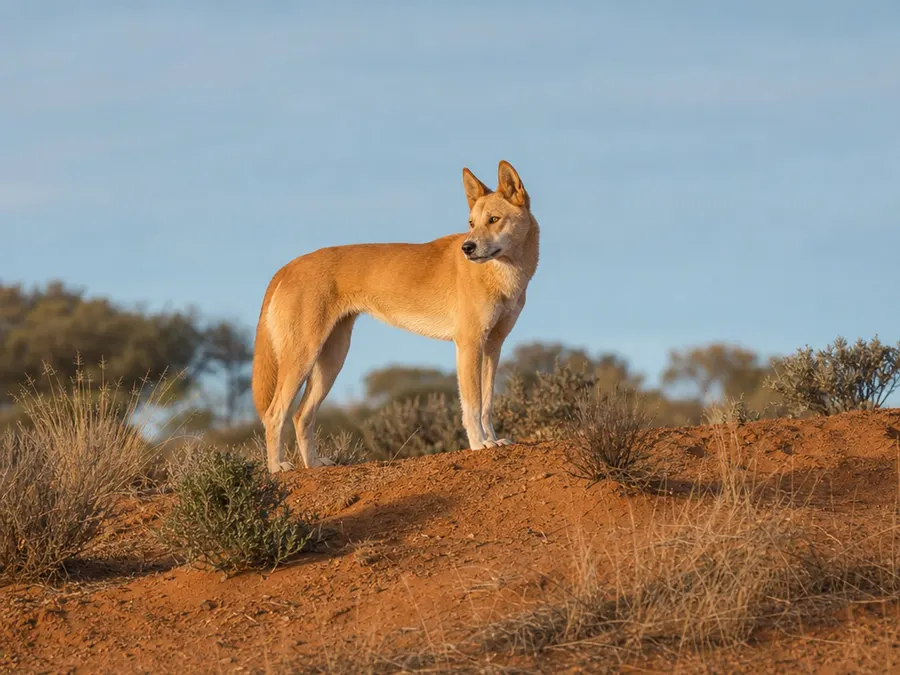
Dingo
The dingo is Australia's apex land predator, highly adapted to diverse environments from deserts to alpine regions. Unlike domestic dogs, dingoes have flexible wrists and double-jointed necks, which allow them to climb trees and squeeze through tight spaces. Their keen senses and cooperative pack hunting strategies make them highly efficient predators.
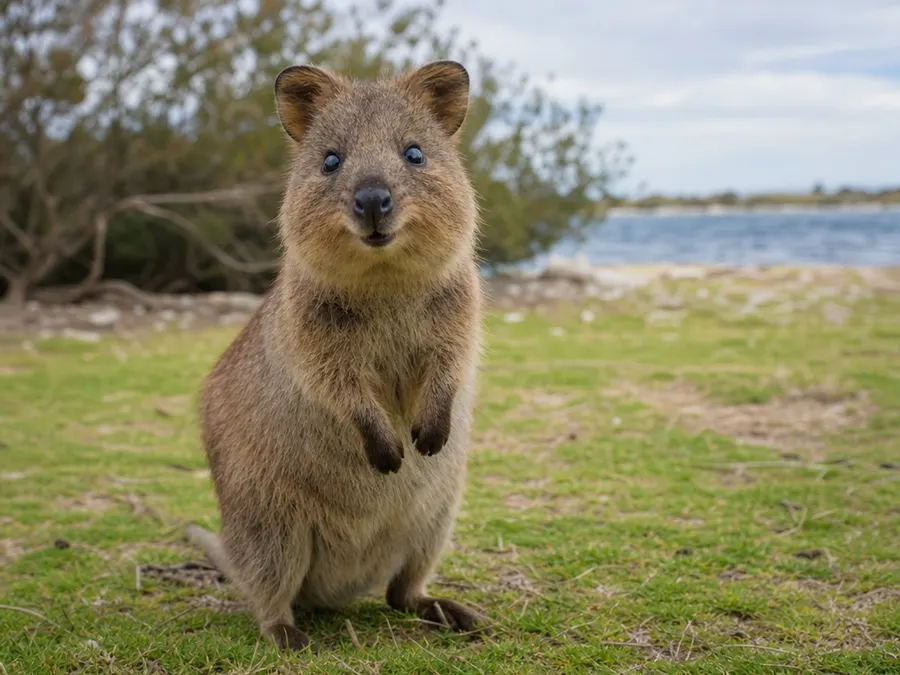
Quokka
The quokka is a small marsupial native to southwestern Australia, particularly Rottnest Island. To survive seasonal water scarcity, quokkas can extract moisture from the vegetation they digest and can even re-digest their waste to extract remaining nutrients. They are excellent climbers, scaling trees to reach fresh leaves and fruits.
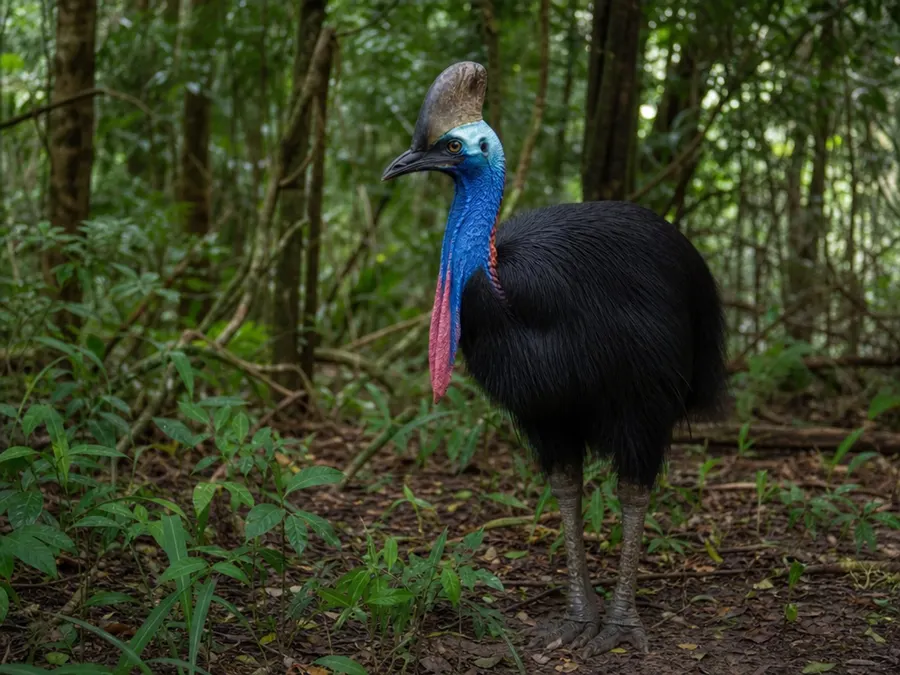
Southern Cassowary
The southern cassowary plays a vital role in tropical rainforest ecosystems. This large, flightless bird features a prominent helmet-like casque on its head, which may help it push through dense undergrowth or assist in low-frequency communication. Its powerful legs carry sharp, dagger-like claws used effectively for defense against threats.
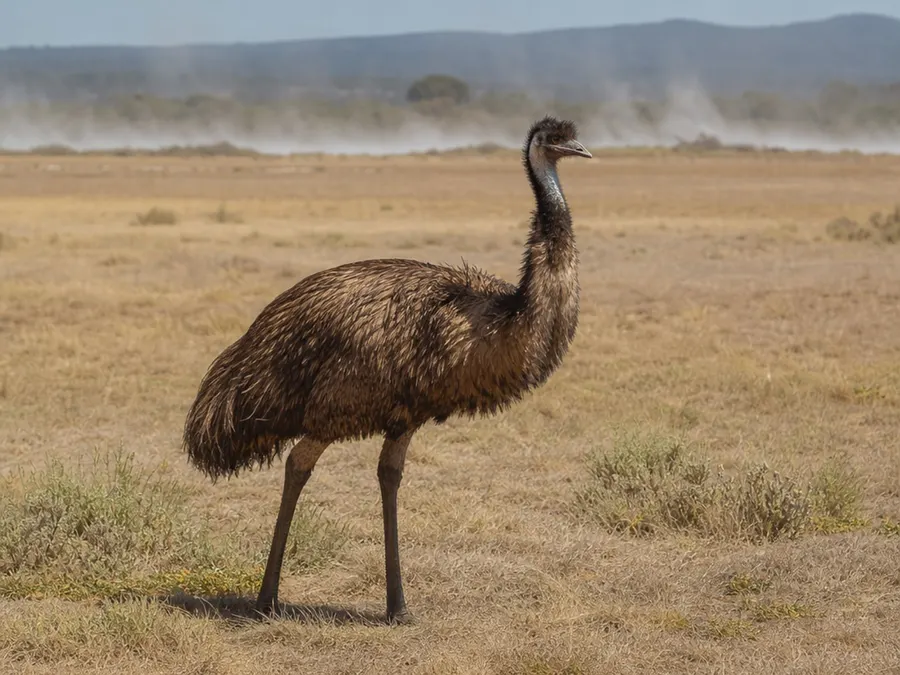
Emu
The emu, Australia's tallest native bird, is built for long-distance travel across arid landscapes. Its powerful, three-toed feet and strong legs allow it to sprint at speeds up to fifty kilometers per hour. To regulate body temperature in extreme heat, emus use a highly efficient nasal system that cools inhaled air.
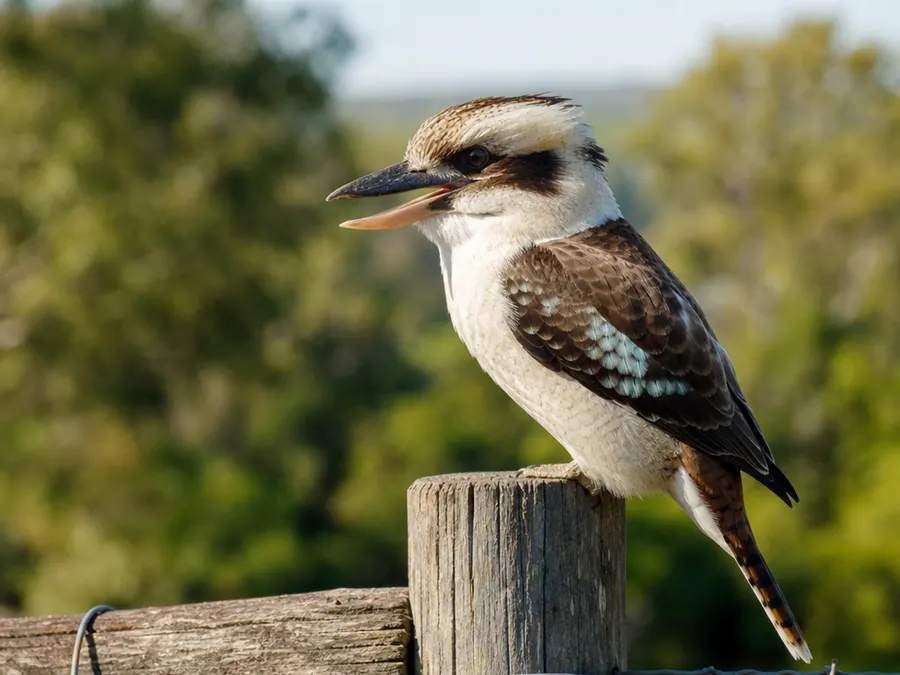
Laughing Kookaburra
The laughing kookaburra is a large kingfisher famous for its distinct, human-like vocalization. This loud call is actually a social tool used to establish and defend family territory boundaries. With a strong, heavy beak, the kookaburra hunts a varied diet of insects, frogs, and even small, venomous snakes.
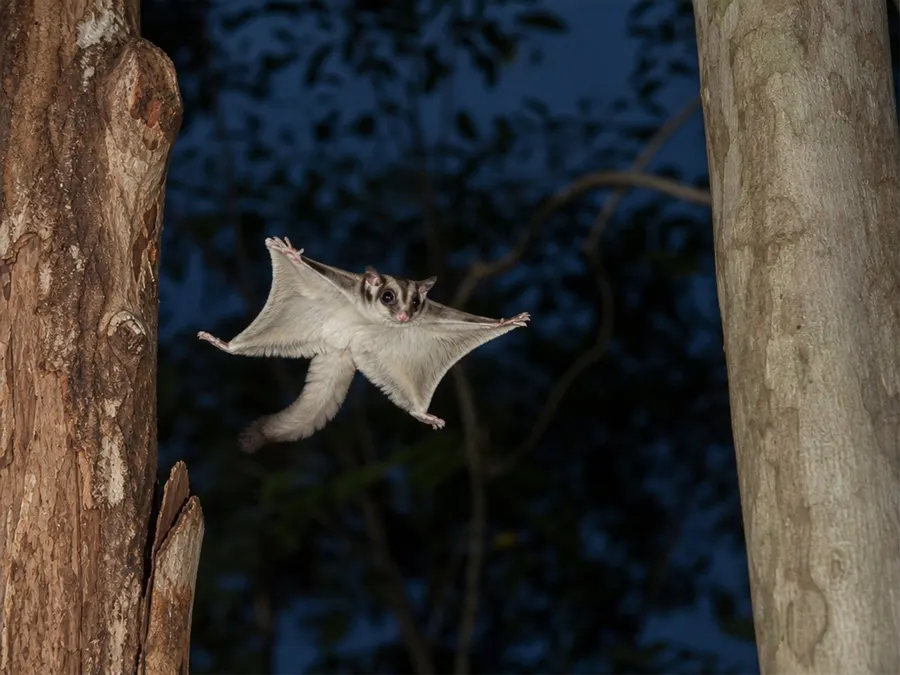
Sugar Glider
The sugar glider is a small, nocturnal marsupial equipped with a gliding membrane called a patagium. Extending from its wrists to its ankles, this thin skin fold allows the animal to glide up to fifty meters between trees. This adaptation helps them escape predators and efficiently forage for sweet tree sap.
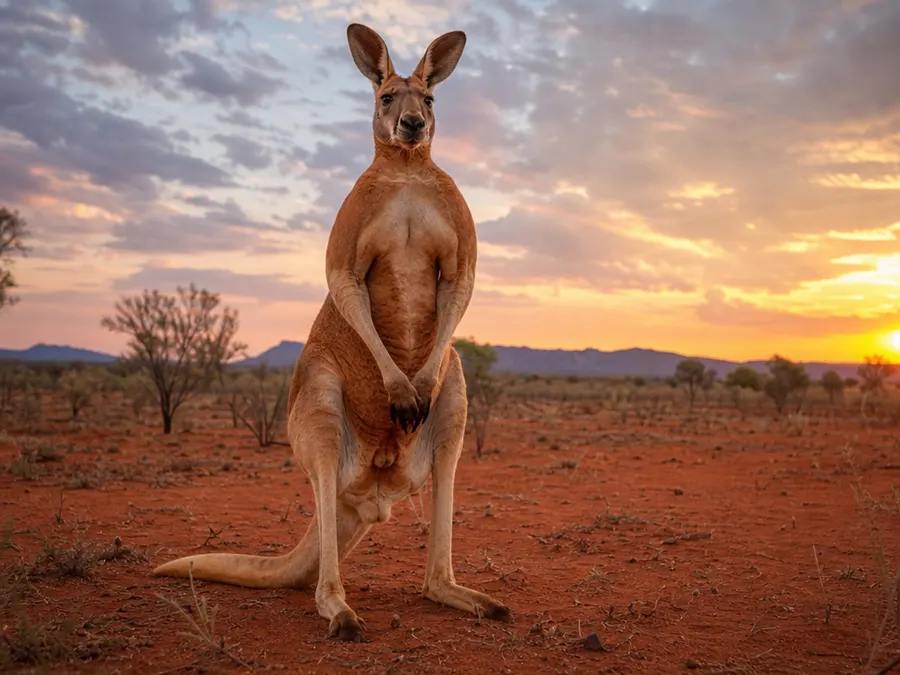
Red Kangaroo
The red kangaroo thrives in arid environments through highly efficient locomotion. Its powerful hind legs act like springs, conserving energy by storing and releasing force with every hop. Additionally, females can pause embryonic development during severe droughts, ensuring offspring are only born when environmental conditions improve.
Featured galleries