12 Archive-Based Ways to Read Anne Frank's Diary
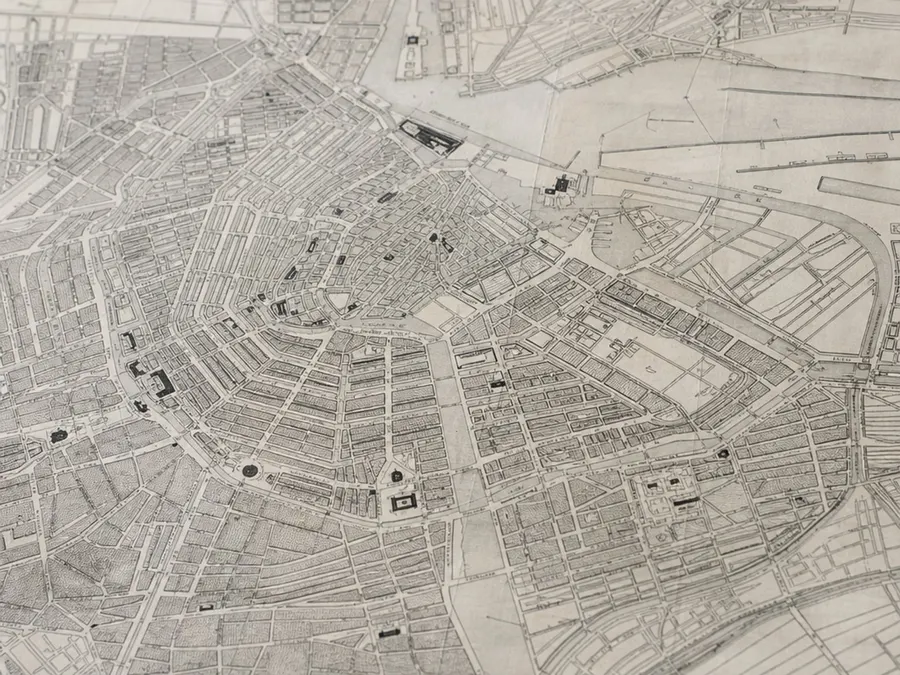
Anti-Jewish Measures in Amsterdam
German occupation of the Netherlands began in May 1940, dramatically changing the lives of Jewish residents. By early 1942, systematic preparations for deporting Jews to transit and killing centers in the east were underway. These escalating anti-Jewish measures and deportations deeply alarmed the Frank family.
Going Into Hiding
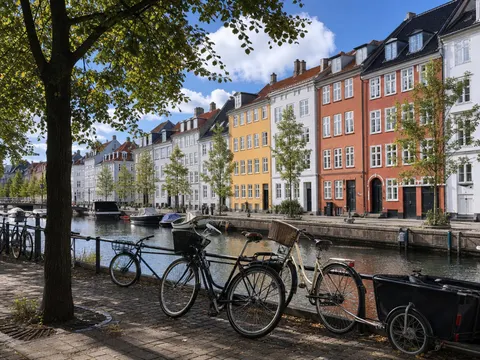
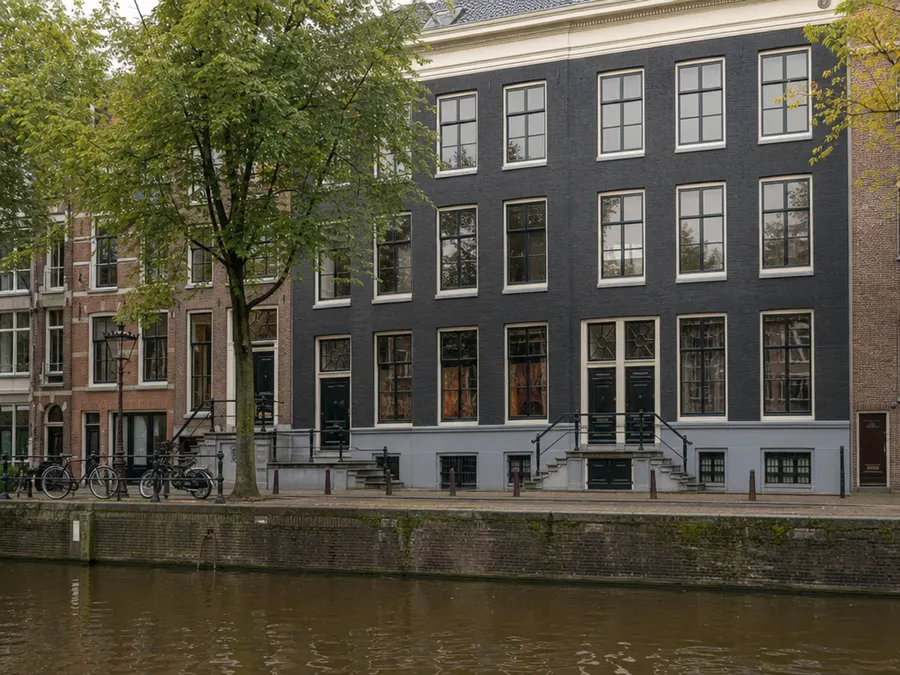
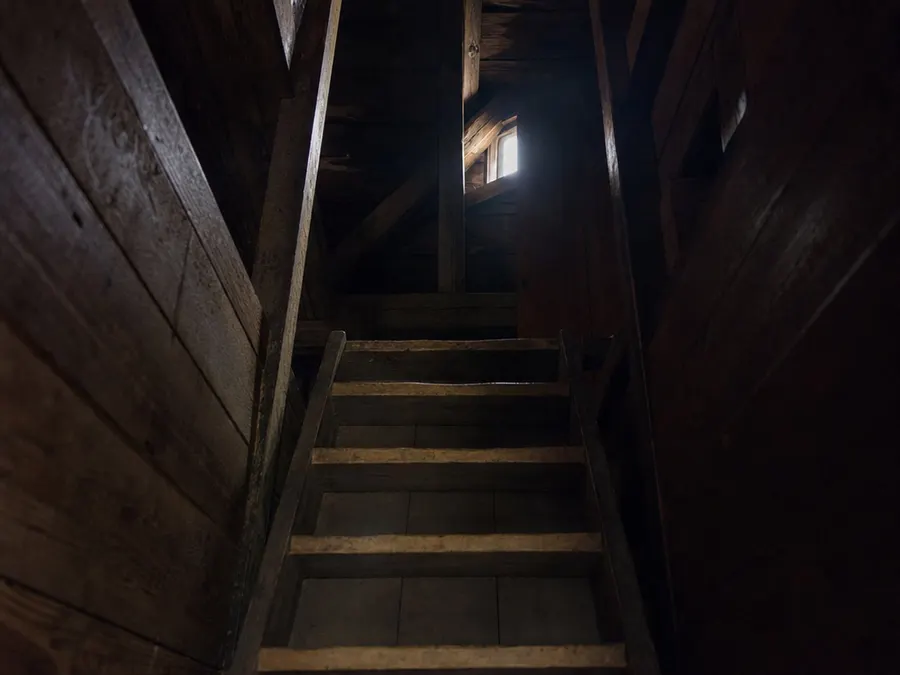
In July 1942, the Frank family went into hiding in a secret apartment at 263 Prinsengracht Street. This space, located behind the business offices where Otto Frank had worked, was referred to by Anne as the Secret Annex. They were eventually joined in the hiding place by four other Jewish individuals.

The Helpers and Daily Life
Survival in the Secret Annex depended on a dedicated group of Otto Frank's friends and colleagues. These helpers smuggled food and clothing to the hidden residents at great risk to their own lives. While in hiding, Anne recorded her experiences, hopes, and fears in her diary.

Two Versions of the Diary
Anne kept a diary but also wrote other tales and planned to publish a book about her time in the Annex. Her writings included different versions, including her diary and her plans for a book. After the war, her father, Otto Frank, fulfilled her wish by getting her work published.
Other Creative Writings
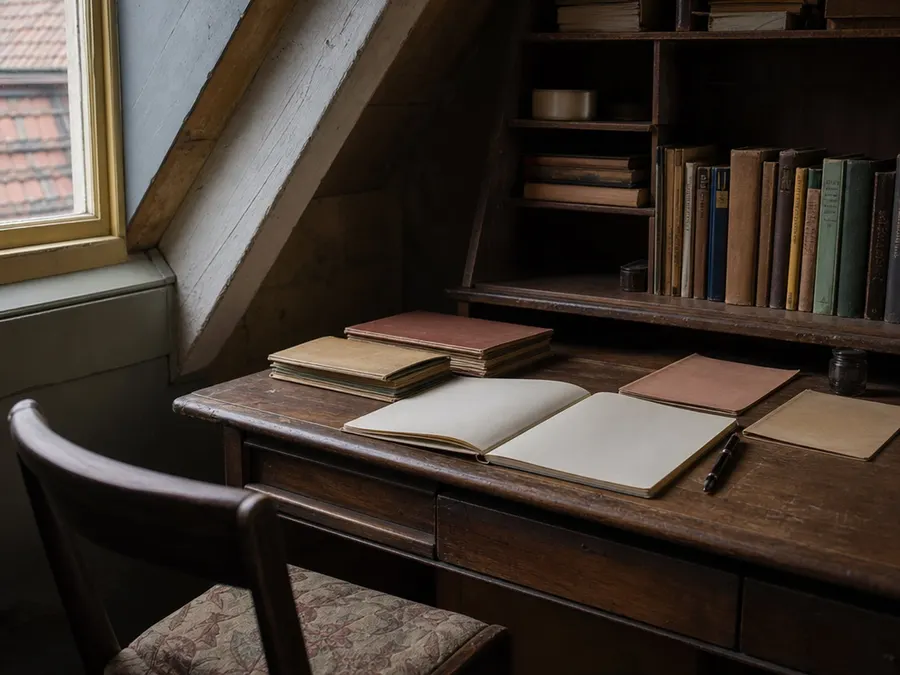
In addition to her diary, Anne was an active writer who composed short stories, fairy tales, and essays. She also compiled what she called her Book of Beautiful Sentences during her time in hiding. These diverse writings showcase her deep interest in creative expression and literature.
The Arrest and Deportation
On August 4, 1944, the German SS and police discovered the hiding place and arrested the residents. While it was long thought they were betrayed by an anonymous caller, a more recent theory suggests the discovery may have happened by chance during an investigation into ration coupon fraud. Following their arrest, the Gestapo sent the family to the Westerbork transit camp.

Fate in the Camps
The residents of the Annex were deported on the final transport from Westerbork to Auschwitz-Birkenau. Anne and her sister, Margot, were later transferred to the Bergen-Belsen concentration camp, where they died of typhus in early 1945. Of all those who hid in the Annex, only Otto Frank survived the war.
Preservation of the Writings
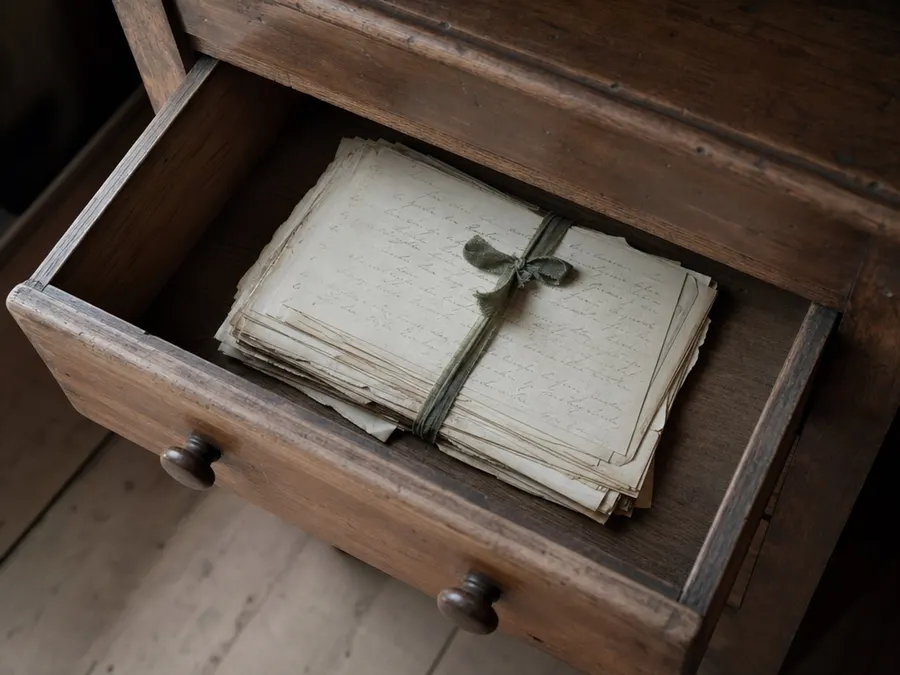
Following the arrest, Anne's writings were preserved by Miep Gies, one of the helpers who had hidden the family. She later presented these writings to Otto Frank after he was liberated from Auschwitz. Otto Frank then played an integral role in ensuring his daughter's diary was published.

Translation and Global Reach
Since its initial publication, Anne Frank's diary has been translated into more than 75 languages. It has become one of the most widely read and inspiring books in the world. For many people, this diary serves as their first exposure to the history of the Holocaust.

Manuscript Evidence
The authenticity of Anne Frank's diary has been a subject of significant interest, and historical facts confirm that the diary is not a forgery. Official research and documentation support the integrity of her original writings. Preserving these authentic archives helps protect the historical truth of her testimony.

Individual Testimony in History
The building at Prinsengracht 263 where the family hid is now known as the Anne Frank House and operates as a museum. This historic site continues to attract a large global audience, drawing more than 1.2 million visitors in 2017. Visitors can learn about Anne's life and the history of the Holocaust through the preserved space.
The Historical Setting
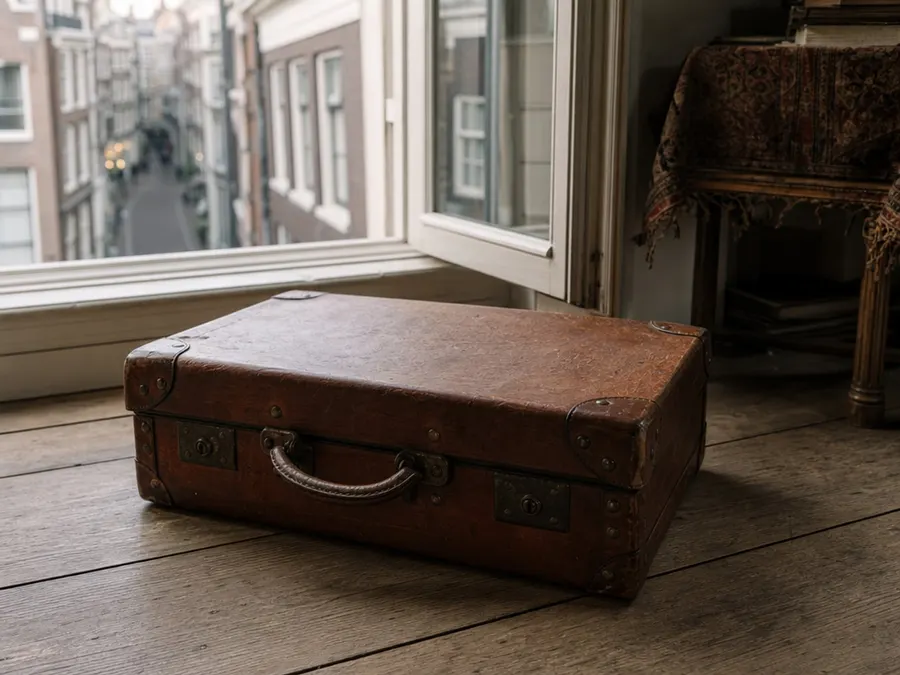
Annelies Marie Frank was born in Frankfurt, Germany, in June 1929. Following the Nazi rise to power in 1933, her father moved to Amsterdam to establish his business connections. Anne and her family soon followed, with Anne being the last to arrive in February 1934.
Featured galleries